Machinability refers to the ease with which a material can be cut, shaped, and finished using various machining processes. When it comes to stainless steel flat bars, machinability is a crucial factor that impacts manufacturing efficiency, cost, and the quality of the final product. As a supplier of stainless steel flat bars, I’ve witnessed firsthand the importance of understanding this concept. In this blog, I’ll delve into the machinability of stainless steel flat bars, exploring the factors that influence it, the challenges faced during machining, and some best practices to optimize the process. Stainless Steel Flat Bar

Factors Affecting the Machinability of Stainless Steel Flat Bars
1. Chemical Composition
Stainless steel is an alloy primarily composed of iron, chromium, and nickel, with other elements such as carbon, manganese, silicon, and molybdenum added in varying amounts. The chemical composition significantly affects machinability. For instance, chromium provides stainless steel with its corrosion – resistant properties but can also increase hardness and work – hardening tendencies. Higher chromium content often leads to more difficult machining. Nickel, on the other hand, improves ductility and toughness, which can have a positive impact on machinability in some cases. Molybdenum enhances corrosion resistance and strength but may also make the material more challenging to machine.
2. Microstructure
The microstructure of stainless steel flat bars plays a vital role in machinability. Different types of stainless steel, such as austenitic, ferritic, martensitic, and duplex, have distinct microstructures. Austenitic stainless steels, which are the most common type, have a face – centered cubic (FCC) structure. They are known for their high ductility and corrosion resistance but tend to work – harden rapidly during machining, which can cause tool wear and poor surface finish. Ferritic stainless steels have a body – centered cubic (BCC) structure and are generally more machinable than austenitic grades due to their lower work – hardening rate. Martensitic stainless steels are hard and strong, but their high hardness can make them difficult to machine. Duplex stainless steels, which combine the properties of austenitic and ferritic stainless steels, offer a balance between strength, corrosion resistance, and machinability.
3. Hardness
The hardness of a stainless steel flat bar is another critical factor. Harder materials are generally more difficult to machine because they require more cutting force and can cause faster tool wear. The hardness of stainless steel can be influenced by factors such as heat treatment, cold working, and the presence of alloying elements. For example, a cold – worked stainless steel flat bar will be harder than an annealed one, and machining it will be more challenging.
4. Surface Finish Requirements
The desired surface finish of the machined stainless steel flat bar also affects machinability. A smooth surface finish requires more precise machining operations and may demand the use of specialized cutting tools and techniques. For applications where a high – quality surface finish is essential, such as in the food and beverage industry or medical equipment manufacturing, more attention needs to be paid to the machining process to ensure that the surface meets the required standards.
Challenges in Machining Stainless Steel Flat Bars
1. Tool Wear
One of the most significant challenges in machining stainless steel flat bars is tool wear. The high work – hardening rate of stainless steel causes the material to become harder as it is cut, which can quickly dull cutting tools. Additionally, the presence of hard alloying elements in stainless steel can cause abrasion and chipping of the cutting edges. Tool wear not only affects the quality of the machined surface but also increases production costs due to the need for frequent tool replacement.
2. Chip Formation
Stainless steel has a tendency to form long, stringy chips during machining, which can cause problems such as chip clogging in the cutting area. This can lead to poor surface finish, increased cutting forces, and even damage to the cutting tool. Controlling chip formation is crucial to ensure a smooth machining process.
3. Heat Generation
Machining stainless steel generates a significant amount of heat due to the high cutting forces and the work – hardening of the material. Excessive heat can cause thermal damage to the cutting tool, reduce its lifespan, and also affect the dimensional accuracy of the machined part. Effective cooling and lubrication are essential to dissipate heat and maintain the integrity of the cutting tool and the workpiece.
Best Practices for Machining Stainless Steel Flat Bars
1. Selecting the Right Cutting Tools
Choosing the appropriate cutting tools is crucial for machining stainless steel flat bars. Carbide tools are commonly used due to their high hardness and wear resistance. Coated carbide tools, such as those with titanium nitride (TiN) or titanium carbonitride (TiCN) coatings, can further improve tool life and performance. For more demanding applications, ceramic or cubic boron nitride (CBN) tools may be considered.
2. Optimizing Cutting Parameters
Proper selection of cutting parameters, including cutting speed, feed rate, and depth of cut, is essential for efficient machining. Lower cutting speeds are generally recommended for stainless steel to reduce heat generation and tool wear. The feed rate should be carefully adjusted to ensure proper chip formation and to avoid excessive cutting forces. The depth of cut should also be optimized to balance material removal rate and tool life.
3. Using Coolants and Lubricants
Coolants and lubricants play a vital role in machining stainless steel flat bars. They help to reduce heat, improve chip formation, and extend tool life. Water – based coolants are commonly used, as they provide good cooling and lubrication properties. Synthetic coolants are also a popular choice due to their long – lasting performance and environmental friendliness.
4. Workpiece Preparation
Proper workpiece preparation can also improve machinability. This includes ensuring that the stainless steel flat bar is properly annealed or heat – treated to achieve the desired hardness and microstructure. Additionally, the surface of the workpiece should be clean and free of any contaminants that could affect the machining process.
Conclusion
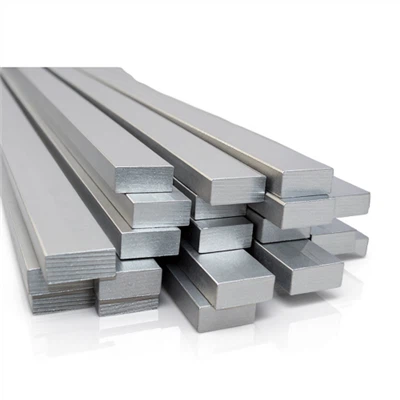
Understanding the machinability of stainless steel flat bars is essential for both manufacturers and suppliers. By considering the factors that influence machinability, such as chemical composition, microstructure, hardness, and surface finish requirements, and by implementing best practices in machining, we can overcome the challenges associated with machining stainless steel and achieve high – quality, efficient production.
Stainless Steel Round Bar As a supplier of stainless steel flat bars, I am committed to providing high – quality products that are suitable for a wide range of machining applications. Whether you are a small – scale manufacturer or a large industrial enterprise, I can offer you the right stainless steel flat bars to meet your specific needs. If you are interested in purchasing stainless steel flat bars or have any questions about their machinability, please feel free to contact me for a detailed discussion. I look forward to working with you to find the best solutions for your machining requirements.
References
- ASM Handbook, Volume 16: Machining.
- Machining Data Handbook, 4th Edition.
- Stainless Steel: A Practical Guide, by George E. Totten and David S. MacKenzie.
Taizhou Pengxin Stainless Steel Products Factory
We’re professional stainless steel flat bar manufacturers and suppliers in China, specialized in providing high quality customized service. We warmly welcome you to buy high-grade stainless steel flat bar in stock here from our factory.
Address: Pengxin Stainless Steel Products Factory, Taizhou City, Jiangsu Province, China
E-mail: sales@pengxinmetal.com
WebSite: https://www.pengxinmetal.com/
