As a supplier of PV guide rails, I am often asked about the different types of PV guide rails available in the market. In this blog post, I will delve into the various types of PV guide rails, their unique features, advantages, and applications. Understanding these differences can help solar installers, project developers, and end – users make informed decisions when selecting the right PV guide rail for their solar projects. PV Guide Rail
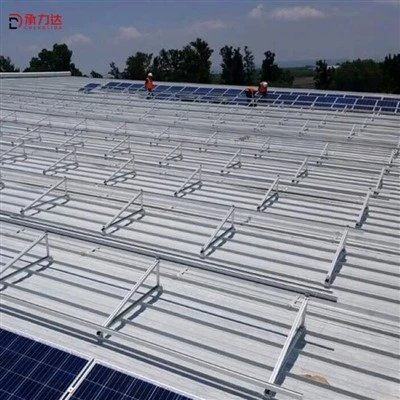
Aluminum PV Guide Rails
Aluminum is one of the most popular materials for PV guide rails, and for good reasons. First of all, aluminum is lightweight. This makes it easy to handle during the installation process, reducing labor costs and the need for heavy – lifting equipment. For large – scale solar farms where thousands of guide rails need to be installed, the weight advantage of aluminum can lead to significant savings in both time and money.
Secondly, aluminum has excellent corrosion resistance. It forms a natural oxide layer on its surface when exposed to air, which protects it from rust and other forms of corrosion. This is especially important for solar installations in coastal areas or regions with high humidity, where corrosion can quickly degrade metal components.
Aluminum PV guide rails also offer good strength – to – weight ratio. They can withstand the mechanical loads imposed by solar panels, wind, and snow, while still being relatively light. There are different profiles of aluminum PV guide rails, such as C – shaped and U – shaped. C – shaped guide rails are commonly used for flat – roof installations, as they provide a stable base for mounting the solar panels. U – shaped guide rails, on the other hand, are often used in ground – mounted systems, as they can be easily anchored to the ground.
Steel PV Guide Rails
Steel PV guide rails are known for their high strength. They can support heavy – duty solar panels and are suitable for large – scale solar installations that require a high level of structural integrity. Steel guide rails can withstand extreme weather conditions, including strong winds, heavy snowfall, and seismic activity.
There are two main types of steel used in PV guide rails: carbon steel and galvanized steel. Carbon steel is a basic form of steel that is strong but less resistant to corrosion. To protect it from rust, carbon steel guide rails are often coated with a layer of paint or other protective materials.
Galvanized steel, on the other hand, is coated with a layer of zinc through a process called galvanization. The zinc coating acts as a sacrificial anode, protecting the steel from corrosion by corroding itself first. Galvanized steel PV guide rails are more expensive than carbon steel ones but offer better long – term corrosion resistance, making them a popular choice for outdoor solar installations.
Steel guide rails are usually heavier than aluminum ones. This can make the installation process more challenging and may require more advanced lifting and installation equipment. However, their high strength can sometimes justify the additional installation effort, especially for large and critical solar projects.
Stainless Steel PV Guide Rails
Stainless steel PV guide rails are the most corrosion – resistant option among all types of guide rails. They contain chromium, which forms a passive oxide layer on the surface of the steel, preventing corrosion even in the harshest environments. Stainless steel guide rails are ideal for solar installations in coastal regions, chemical plants, or other areas with high levels of pollution or corrosive substances.
In addition to their excellent corrosion resistance, stainless steel guide rails also have a high aesthetic appeal. They have a smooth and shiny surface, which can enhance the overall appearance of the solar installation.
The main drawback of stainless steel guide rails is their high cost. The raw material and manufacturing process of stainless steel are more expensive compared to aluminum and carbon steel. Therefore, they are usually used in high – end solar projects or in situations where long – term corrosion resistance is of utmost importance.
Composite PV Guide Rails
Composite PV guide rails are made from a combination of different materials, such as fiberglass and resin. These guide rails offer several unique advantages. First, they are extremely lightweight, even lighter than aluminum. This makes them very easy to transport and install, reducing both shipping and labor costs.
Composite materials also have good insulation properties. They can prevent electrical conduction between the solar panels and the mounting structure, reducing the risk of electrical hazards. This is especially important for PV systems with high – voltage components.
Moreover, composite PV guide rails are corrosion – resistant and can withstand a wide range of environmental conditions. They are not affected by moisture, chemicals, or UV rays, which makes them suitable for long – term outdoor use.
However, composite PV guide rails may have lower strength compared to metal guide rails. They may not be suitable for large – scale solar installations that require high load – bearing capacity. Additionally, the manufacturing process of composite materials is more complex, which can lead to higher production costs.
Applications of Different Types of PV Guide Rails
The choice of PV guide rail depends largely on the specific application. For residential solar installations on pitched roofs, aluminum PV guide rails are often the preferred choice. Their lightweight nature makes them easy to install on rooftops, and their corrosion resistance ensures a long service life. The relatively lower cost of aluminum also makes it a cost – effective option for homeowners.
In commercial solar installations on large flat roofs, both aluminum and steel guide rails can be used. Aluminum guide rails are suitable for projects where weight is a concern, while steel guide rails are a better choice for installations that require high strength and stability, especially in areas with severe weather conditions.
Ground – mounted solar farms, especially large – scale utility – grade projects, often use steel or stainless – steel guide rails. The high strength of these materials can support the large number of solar panels and withstand the mechanical stresses exerted by the environment. Stainless – steel guide rails are preferred in coastal or high – pollution areas due to their superior corrosion resistance.
For specialized solar projects in harsh environments, such as off – grid installations in deserts or chemical plants, composite or stainless – steel guide rails are more appropriate. Composite guide rails offer insulation and lightweight advantages, while stainless – steel guide rails provide long – term corrosion protection.
Conclusion
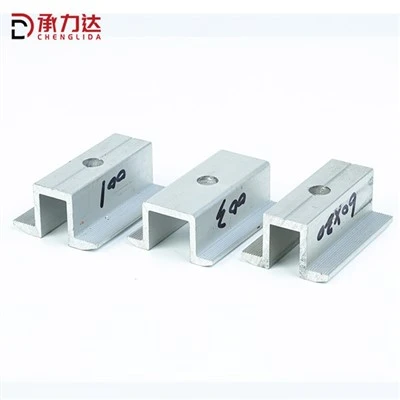
In conclusion, there are several types of PV guide rails available in the market, each with its own set of features, advantages, and limitations. As a PV guide rail supplier, I understand the importance of helping my customers choose the right guide rail for their specific needs. Whether it is the lightweight and corrosion – resistant aluminum guide rails, the high – strength steel guide rails, the ultra – corrosion – resistant stainless – steel guide rails, or the lightweight and insulating composite guide rails, I can provide a wide range of options to meet different project requirements.
PV Guide Rail If you are in the process of planning a solar project and need assistance in selecting the appropriate PV guide rail, I encourage you to get in touch with me. I have years of experience in the PV guide rail industry and can provide you with professional advice and high – quality products. Let’s work together to make your solar project a success.
References
- "Solar Photovoltaic Systems Design and Installation" – A comprehensive book on solar PV system components, including guide rails.
- Industry reports on PV mounting systems from leading market research firms.
- Technical specifications and research papers from PV guide rail manufacturers.
Wuxi Chenglida Machinery Co., Ltd.
We are one of the most professional pv guide rail manufacturers and suppliers in China, also support customized service. Please feel free to buy durable pv guide rail made in China here from our factory. Quality products and reasonable price are available.
Address: No.4 Ruifeng Road, Huishan District, Wuxi City
E-mail: postmaster@wxcldjx.com
WebSite: https://www.wuxi-chenglida.com/
