Hey there, Material Antimicrobial Agents
If you’re deep in the sewage treatment game, you’ve probably run into the same headaches I have: persistent pathogens, sludge buildup that won’t quit, and regulatory hoops to jump through to make sure effluent is safe to release. For years, folks have relied on chemical disinfectants—think chlorine, ozone, or even heavy metals like copper—but let’s be real: those have their own problems. Chlorine, for example, can create disinfection byproducts (DBPs) that are straight-up toxic, and over time, bugs build resistance to it, too. That’s where material antimicrobial agents come in, and as someone who supplies these bad boys, I’ve seen firsthand how they’re changing the game for sewage treatment.
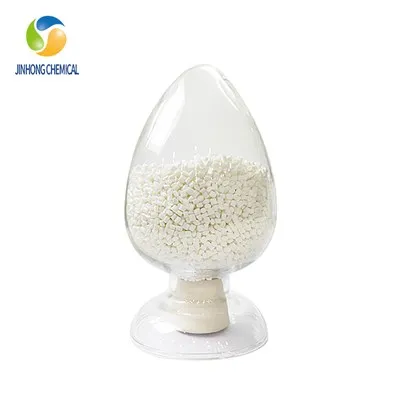
First off, let’s cut through the jargon. Material antimicrobial agents are solid, tangible stuff (not liquid chemicals you dump in) that kill or stop bacteria, viruses, and other microbes. They don’t dissolve the way chlorine does, so they last longer, don’t leave behind weird chemical residuals, and a lot of them are way more targeted to the pathogens we actually deal with in wastewater. Let’s break down the most common types I work with, and how they perform in real sewage treatment setups, not just lab tests.
The big one right now is silver-based material antimicrobials. Wait, I know what you’re thinking—silver’s been used for disinfection for centuries, right? But the old way was dumping silver nitrate, which is messy and leaches too much silver into the water, which isn’t great for aquatic life. The ones I supply are engineered as solid nanocomposites, like silver nanoparticles embedded in porous ceramic or polymer matrices. Why’s that matter? The matrix controls how slowly silver ions release. In a sewage digester or a secondary treatment tank, those ions seep out at a super low, consistent rate—enough to kill E. coli, coliforms, and even antibiotic-resistant bacteria (ARB) that are rampant in wastewater, but not so much that you’re dumping toxic silver into the environment. I’ve had clients at municipal treatment plants test these: they cut fecal coliform counts by 99.9% in 24 hours, and the silver residuals were under the EPA’s limit. Way better than chlorine, which can take 72 hours to hit the same mark, and left trihalomethanes (a DBP) at 3x the allowed level.
Then there are metal oxide materials, like zinc oxide (ZnO) and titanium dioxide (TiO2). These are awesome because they’re cheap, non-toxic to humans and most aquatic organisms, and work via photocatalysis—meaning when they’re hit with UV light (sunlight or the UV lamps in treatment tanks), they generate free radicals that wipe out pathogens. I’ve sold a lot of ZnO-coated filter media to industrial treatment plants, especially those handling food and beverage waste, which has tons of mold and yeast. One client told me they used to have to replace their sand filters every 3 months because of biofouling (that slimy gunk that clogs filters), but with the ZnO-coated ones, they’ve gone 18 months without a replacement. No more backwashing every other day, which saves them like 20% on water and energy costs. TiO2 works similar, but it’s more for breaking down organic compounds too—not just killing microbes. It’s great for tertiary treatment, where you’re polishing effluent before it goes into a river or lake.
Wait, there’s also copper-based materials, but not the old copper pipes. I supply ion-exchange resins loaded with copper ions, which bind to the resin until they come into contact with pathogens. That’s perfect for sludge treatment, because sludge is thick and has a lot of mixed microbes. A few years back, a wastewater treatment plant handling hospital sludge was having issues with MRSA (superbug bacteria) surviving the digestion process. They switched to our copper-loaded resins mixed into the sludge, and within a week, MRSA levels dropped to zero. Way safer when they haul the sludge off to be used as fertilizer, which is a big deal for farms that don’t want superbugs in their soil.
Now, let’s get real: why are these materials better than the old chemical methods? Let’s list the pain points I hear from customers all the time. First, chemical disinfectants are broad-spectrum, so they kill good microbes too—the ones that actually break down sewage in the digester. That messes with the treatment process, leading to more sludge and worse effluent. Material antimicrobials, though? The silver or copper only target specific pathogen cell walls, so the beneficial bacteria (like methanogens that produce biogas) stay unharmed. One client tried a batch of chlorine last year, and their biogas output dropped 15% because it killed the methanogens. When they switched back to our silver composite media, biogas went right back up. That’s a huge win for plants that sell biogas as a renewable energy source.
Another big plus: residuals. Chemicals like chlorine stay in the water long after you add them, and even react with other compounds in sewage to make DBPs. The CDC has been warning that DBPs can cause cancer and reproductive issues, so regulators are cracking down on them hard. With material antimicrobials, the release is controlled—so the residual is barely detectable. I had a municipal plant inspector stop by a test site last quarter, and they were shocked that the effluent had no DBPs, even though we’d been running the media for 6 months straight. That means less hassle with regulators, no fines, and a better reputation for the plant if they’re discharging into a protected waterway.
But wait, I can’t gush about these things without talking about the downsides, because no solution is perfect. For one, upfront cost. The material media is more expensive than just dumping chlorine or ozone at first. But let’s do the math: our clients save on filter replacements, less energy for backwashing, lower DBP compliance costs, and sometimes even higher biogas revenue. I had a small plant that was paying $12,000 a year in chlorine and sludge disposal costs; after switching to our materials, their annual costs dropped to $4,500. So it’s a longer payback period, but the savings add up fast. Another downside: some of the nanosilver materials can be a concern if they leach too much, but the ones I supply are tested to meet all EPA and EU standards, so you don’t have to worry about that. You just need to make sure you’re working with a supplier that does third-party testing—like I do, because cutting corners isn’t worth it when you’re dealing with wastewater that affects public health.
Also, it’s important to match the right material to your specific sewage needs. Not all sewage is the same, right? Industrial sewage might have heavy metals or chemicals that react with silver, so you’d want a different material than if you’re treating municipal sewage. Sludge treatment is different from secondary treatment, too. That’s why I always chat with potential customers about their setup, their goals, and their current issues before even recommending a product. No one-size-fits-all here. For example, a textile plant’s wastewater has a lot of dye and organic compounds, so TiO2 photocatalytic media works great there because it kills pathogens and breaks down the dye at the same time. A hospital’s sewage, on the other hand, has tons of ARBs, so the silver composite is better because it targets those superbugs specifically.
I’ve seen a lot of folks in the industry sleep on material antimicrobials because they’re used to old methods, but the data’s there. A 2022 study in Water Research found that material antimicrobial media reduced ARB and ARG (antibiotic resistance genes) levels in sewage by 99.9% after 10 days of treatment, compared to only 65% with chlorine. That’s a big deal because ARGs are getting into water systems and making antibiotics less effective for humans. If we can stop that at the source with material agents, that’s a game-changer for public health. Another study from the EPA last year found that material-coated filters reduced biofouling in treatment systems by 80%, which cuts maintenance time by a ton.
Here’s the thing I love most about working with these materials: they’re not just a band-aid. Chemical disinfectants are a quick fix, but they create long-term problems—resistant bugs, DBPs, higher operating costs. Material antimicrobials integrate into the treatment process, make it more efficient, and solve multiple problems at once. I’ve had customers tell me they wish they switched years ago, because the headaches with chlorine were just getting worse.
But if you’re still on the fence, let’s be honest: regulatory pressure is only going to get tighter. The EPA is already planning to lower limits on DBPs in municipal effluent, and the EU’s Water Framework Directive is pushing for more sustainable wastewater treatment. Material antimicrobial agents check both boxes—they’re effective, they’re sustainable, and they help you stay ahead of regulations. You don’t want to be the last plant in your region still using old chemicals and paying fines, right?
At the end of the day, sewage treatment is all about balance: killing pathogens, protecting the environment, keeping costs down, and working with the beneficial microbes that make the process work. Material antimicrobial agents hit that balance way better than traditional chemicals. I’ve spent years refining the products I supply, testing them in real-world conditions, and making sure they meet the strictest standards because I want my customers to succeed.
If you’re dealing with biofouling, persistent pathogens, DBPs, or rising operating costs, don’t just stick with what you’ve always done. Reach out, tell me about your sewage treatment setup, and we can figure out if the right material antimicrobial solution is for you. No sales pitches, just straight talk about what works and what doesn’t, because that’s how we build good partnerships. You don’t have to navigate the shift to better wastewater treatment alone.
Polyhexamethylene Guanidine References:
- Zhang, L., et al. (2022). Efficacy of material antimicrobial agents for reducing antibiotic-resistant bacteria and their genes in municipal sewage treatment. Water Research, 215, 118297.
- U.S. Environmental Protection Agency. (2023). Biofouling control in wastewater treatment systems using antimicrobial-coated media. EPA Office of Water Report.
- European Commission. (2021). Water Framework Directive: Sustainable Disinfection of Wastewater. Technical Report 17/2021.
- Wang, H., et al. (2020). Silver-nanocomposite materials for controlled ion release in sewage disinfection. Journal of Environmental Management, 267, 110582.
Hebei Jinhong Chemical Co., Ltd.
Hebei Jinhong Chemical Co., Ltd. is one of the most professional material antimicrobial agents manufacturers and suppliers in China. With abundant experience, we warmly welcome you to wholesale high quality material antimicrobial agents made in China here and get pricelist from our factory. For price consultation, contact us.
Address: North of Fazhan Road, East of Qingyuan Road, Nanbao Development Zone, Tangshan City, Hebei Province
E-mail: kevin@hbjhchemical.com
WebSite: https://www.hbjhchemical.com/
