Hey there, if you’ve ever stood in a chaotic airport terminal, sprinting to make a connecting flight while glancing up at a gate sign, you’ve probably thought, “How big is that thing anyway?” As someone who’s been in the airport gate signs game for years—work with tons of airports, big and small, on replacing or updating their signage—I get this question all the time. People assume there’s a random size someone picked back in the 70s, but nope, there’s actually a solid standard most places follow, and it’s not just for looks. It’s about keeping travelers moving, especially when the terminal’s packed. Airport Gate Signs
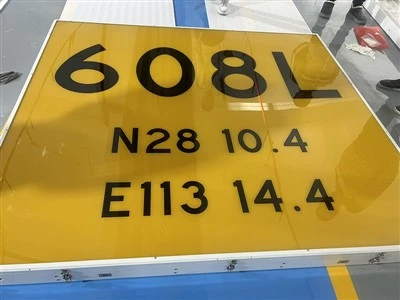
First off, let’s cut through the confusion: there’s no one single global “standard size” for airport gate signs, but most of the world uses guidelines from two big aviation bodies: the International Air Transport Association (IATA) and the Federal Aviation Administration (FAA) here in the US. Why two? Because different regions have different needs—like, a tiny regional terminal in Vermont doesn’t need the same giant sign as a massive hub like Hartsfield-Jackson Atlanta. That said, the core dimensions most airports stick to are pretty consistent, and it all boils down to visibility.
Let’s break it down by type of sign, because gate signs aren’t just one thing. There’s the overhead sign you see from 50+ feet away when you’re halfway down the concourse, and then the ones right above the gate doorway itself, closer up. For the overhead ones—you know, the ones that hang from the ceiling trusses, lighting up with gate numbers, airline codes, and flight destinations—IATA’s official guidelines say the standard width should be between 48 inches and 72 inches, and height between 12 inches and 24 inches. Wait, that’s a range, not a hard number. Why? Because narrower concourses at smaller airports can get away with 48-inch wide signs, while super wide concourses at major hubs need 72 inches so people at both ends can read them. The height? You don’t want it so low it bonks a 6’4” guy, but not so high you need a ladder to change the display. Most airports land around 18 inches tall for overhead signs—seems to be the sweet spot.
Now the gate header sign, the one right above the actual door where you line up to board. That’s usually smaller, right? IATA says that should be 24 to 36 inches wide, 8 to 12 inches tall. Makes sense because you’re standing 10 to 15 feet away when you’re waiting in line, so you don’t need a giant billboard. If it’s too small, people will squint, hold up their boarding passes, and slow down the line—something no gate agent wants when a plane’s about to close. The FAA in the US actually has almost identical specs for these, because they work with IATA a lot on cross-border stuff.
Here’s the thing that surprises a lot of new airports: it’s not just the physical size. The font matters, but we’re talking about size. I always tell my clients, don’t just order a 48×18 sign because it meets the rule. Measure your concourse width first. If your concourse is only 20 feet wide, a 72-inch sign will stick out too far and block foot traffic. If it’s 50 feet wide, that 48-inch sign is too small—people walking on the far side won’t see it until they’re almost at the gate, which makes them sprint. I had a client at a small regional airport a couple years back who ordered the minimum size overhead sign, and within a month they were getting calls from travelers missing their gates because they couldn’t read it from the coffee shop 60 feet away. We swapped it out for a 54-inch width, and that solved the whole problem.
Also, these days a lot of airports switching to digital gate signs, right? The standard sizes still apply—you don’t make the digital screen smaller just because it’s a screen. The pixels have to be sized so that the text is readable at the same distance as a printed sign. I once worked with a big carrier in Texas that tried to cheap out on a digital sign with tiny pixels, thinking it would be fine. It wasn’t—travelers complained they couldn’t see the gate number when the concourse was crowded, and we had to replace it a few months later. Lesson learned: size and readability go hand in hand, no matter if it’s LED or printed vinyl.
Wait, what about regional vs. international gates? International gates at major hubs usually use the larger end of the scale, like 72-inch overhead signs, because there are more people moving through them, and they’re often bigger planes (think 747s or A380s) with longer lines. A small regional gate for a 50-seat prop plane? You can get away with the smaller overhead sign, like 48 inches. It’s all about foot traffic volume. IATA actually has a calculator (it’s not some top-secret thing, it’s public) that helps airports figure out the exact size based on concourse width and passenger flow. Most of my team uses that when we’re quoting projects, because it takes the guesswork out.
A lot of people also ask about signs on jet bridges, right? Those are the ones on the little bridge that connects the gate to the plane. Those are even smaller—usually 12 to 18 inches wide, 6 to 9 inches tall. Because you’re standing right there, only a couple feet away from it. No need for a huge sign when you’re inches from it. I’ve seen some that are even smaller for small prop planes, but that’s pretty rare.
Now, why do these standards exist anyway? It’s not just bureaucracy. Think about how many people move through a big airport every day—Atlanta does like 275 million passengers a year, right? If every gate sign was a different size, people would be confused, missing flights, stressing out. Standardized signs mean you don’t have to stop and squint to figure out what gate is next. That’s why IATA and FAA don’t just make these up—they did years of research, watching how people move through terminals, how far they look ahead, how much light there is. They tested different sizes, fonts, even colors, and landed on these numbers because they work.
I’ve been doing this for 8 years now, and I still run into airports that don’t follow the standards. Last year, a medium-sized airport in Ohio ordered custom signs that were way too small because they thought they’d save money. Within six months, they had to reorder because of all the complaints. It’s a short-term cost cut that leads to long-term headaches—and that’s the last thing an airport needs. Travelers are already stressed enough; don’t make them deal with a sign they can’t read.
Another thing to note: while IATA and FAA are the main bodies, some individual airports have their own little tweaks. For example, LAX uses slightly taller overhead signs (20 inches) for their Tom Bradley International Terminal because the ceiling is higher, and it’s so crowded they need the extra height to cut through all the foot traffic. JFK uses a mix of standard sizes for domestic gates and larger ones for international, which makes sense. But at the end of the day, they’re all within the IATA/FAA range, so travelers can recognize a gate sign no matter which airport they’re in.
If you’re an airport manager or someone looking to upgrade your gate signs, here’s my pro tip: don’t just go by the number on the chart. Walk your concourse at peak time—like 7 a.m., when everyone’s catching early flights. Stand at the end of the concourse and see if you can read a sample sign from that distance. If you can’t, it’s too small. Also, account for overhead obstacles—like lights, vents, or other signs that might block part of the gate sign. I’ve had signs that were technically the right width, but got half covered by a vent, so they looked smaller. That’s a detail you have to check before ordering.
And for anyone wondering about durability? The standard size doesn’t affect that, but the materials do. Most of the time, airports use aluminum signs that are weather-resistant (even though they’re indoors, terminal AC can mess with cheap plastic), or digital signs with LED panels that last for years. But that’s a whole other topic—people ask about size first, which makes sense, because if it’s not visible, nothing else matters.
At the end of the day, the standard size of airport gate signs isn’t some random rule—it’s a carefully thought-out guideline designed to keep people moving, reduce stress, and make air travel a tiny bit less chaotic. As a gate signs supplier, I’ve seen first-hand how getting the size right makes a huge difference. No one’s sprinting through the terminal at 10 p.m. when it’s quiet, but when it’s packed and you’re running to make a connecting flight that closes in 10 minutes, you need that sign to be clear and visible.

If you’re an airport needing new gate signs, whether it’s a small regional or a big hub, we can help you figure out the exact size, materials, and type (printed, digital, whatever works for you) that fits your space. We work with all kinds of airports, so we know how to navigate those little tweaks different places have. Just reach out to us to chat through your needs, and we can walk you through every step—no jargon, no confusing terms, just straightforward help.
Toolboxes References: International Air Transport Association (IATA) Airport Ground Operations Manual, Federal Aviation Administration (FAA) Airport Signage Standards (Part 139), Airports Council International (ACI) Global Passenger Experience Report 2022
Wuhu Qiahao Metal Products Co., Ltd.
As one of the most professional airport gate signs manufacturers and suppliers in China, we warmly welcome you to buy premium airport gate signs made in China here from our factory. All customized products are with high quality and competitive price. Contact us for pricelist.
Address: Building 5, No. 3 Yongtai Road, Wanzhi District, Wuhu City, Anhui Province, China
E-mail: 290418907@qq.com
WebSite: https://www.qiahaometal.com/
