If you’ve ever held a power tool that fits like it was molded to your hand, turned on a kitchen gadget without slipping, or used a medical device that didn’t feel like a cold, rigid piece of plastic, you’ve experienced overmolding—whether you noticed it or not. As an injection molding supplier, I’ve spent years talking to clients who initially ask, “What even is overmolding?” only to realize it’s the small, critical detail that makes their products stand out, safer, and more profitable. Let’s break down how this process works, the real-world applications that matter most, and why it’s a game-changer for so many industries. Injection Molding
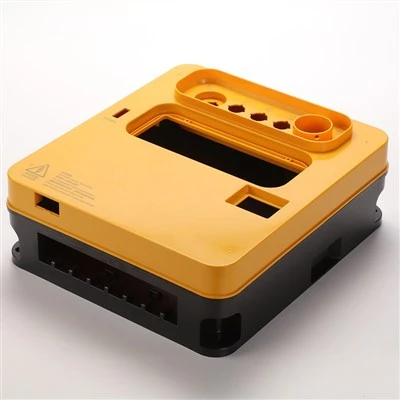
First, let’s cut through the jargon: overmolding isn’t just slapping two materials together. It’s a two-step injection molding process where a base part (usually a rigid thermoplastic like polypropylene, ABS, or nylon) gets a second, softer material (often a thermoplastic elastomer, or TPE, silicone, or a gel) molded directly onto it. The result isn’t just a glued-together part—most of the time, the materials bond chemically, creating a single, seamless component. That eliminates weak points, reduces assembly time, and cuts down on long-term product failures.
For a lot of my clients, the first big use case people think of is consumer and industrial goods, but overmolding is way more versatile than that. Let’s start with the applications that touch your daily life every single day. Take handheld power tools: think of a drill, a jigsaw, or a leaf blower. A manufacturer could make the entire handle out of hard ABS plastic, but that would cause blisters during extended use. Overmolding a soft, grippy TPE layer onto that same handle turns a clunky, uncomfortable tool into one that’s ergonomic enough to use for hours. I worked with a tool maker last year who switched from separate, glued-on grips to overmolding: they cut assembly time by 20% and reduced grip-related warranty claims by 35% in the first six months. That’s the kind of bottom-line impact that makes overmolding worth investing in.
Kitchen and household products are another huge area of overmolding use. Think about a can opener: the metal (or hard plastic) mechanism that does the cutting is rigid, but the handles you hold are soft TPE for a non-slip grip, even when wet. Or a mixing spoon for non-stick cookware—overmolding a heat-resistant silicone layer onto a polypropylene base keeps the spoon from scratching pans and makes it comfortable to hold for long mixing sessions. Even something as simple as a coffee mug lid? Many lids use overmolding for a soft seal that fits snugly on the mug without sticking, and a rigid base that clips securely to the cup. I also recently took on a project for a company making kid’s water bottles: overmolding the spout area with food-safe silicone made the bottle leak-proof and easy for small hands to squeeze, and the rigid base kept it from tipping over at the kitchen table.
But overmolding’s most impactful applications are in industries where safety and reliability aren’t just nice-to-haves—they’re non-negotiable. The medical device space is one of the biggest, and it’s where I see a lot of new clients come from. For surgical tools, patient monitors, or even handheld diagnostic devices, overmolding serves multiple purposes. First, soft TPE or silicone creates a gentle, non-abrasive grip that’s comfortable for patients holding a monitor for long periods, and for surgeons scrubbing in, a grippy, sterile handle on a scalpel or forceps. Second, overmolding can create seals: a lot of medical devices need to be waterproof for sterilization (think boiling or autoclaving) or safe for single-use applications where parts can’t come loose. Glued seals have a higher risk of failing during sterilization, but overmolded seals are seamless, so they don’t develop gaps. I worked with a medical device startup last year that was designing a portable glucose monitor; they initially tried to use separate rubber seals and rigid plastic, but those seals would fall off during drop tests. Switching to overmolded TPE seals cut their device’s drop failure rate from 12% to 0%. That’s a huge win for a startup that can’t afford to ship defective products.
Another critical medical use case is implantable devices, too—though that’s a more specialized subset. Overmolding biocompatible silicone onto rigid titanium or plastic components helps devices like pacemakers or joint replacements integrate with the body, reducing irritation and improving long-term performance. While that’s a smaller part of my work as an injection molding supplier, it’s a reminder that overmolding isn’t just a consumer trick; it’s a technology that’s saving lives every day.
Moving beyond medical, automotive is another industry that relies on overmolding heavily. If you’ve ever touched a car’s steering wheel, door handle, or gear shift knob, that soft, rubbery feel? That’s overmolding. In cars, overmolding serves two big functions: ergonomics and safety. Steering wheels need a grippy, comfortable surface for drivers, but they also need to be rigid enough to hold up during high-speed driving. Overmolding blends the two perfectly. Safety is another angle: interior trim pieces that overmolded soft TPE absorb impact during a crash, reducing injuries for passengers. Even exterior parts, like side mirrors or door handles, use overmolding: a rigid plastic base holds the mirror assembly, and a soft TPE edge prevents scratches if the handle bumps into another car. I work with a few automotive parts suppliers, and they tell me that overmolding has become standard for interior components in the last five years—consumers now expect that soft, comfortable feel, and manufacturers can’t meet that demand without it.
Beyond these big industries, there are so many niche overmolding applications that people don’t talk about as much. Sports equipment, for example: a tennis racket’s handle uses overmolding to create a non-slip grip, even when your hands are sweaty. A bike’s brake levers have soft overmolded parts for comfort during long rides. Even eyeglass frames: many modern frames use overmolding to create a soft, comfortable nose pad that sits against your skin without irritation. I recently took on a small project for a skateboard company: they wanted custom grips for their decks that were non-slip, weather-resistant, and didn’t leave marks on the skateboard. Overmolding a textured TPE onto a rigid foam core gave them exactly that, and it’s held up through months of use outdoors.
Now, you might be wondering: why would a company choose overmolding over other methods, like adding a soft grip with adhesive or mechanical fasteners? Let’s break down the advantages that matter for most manufacturers. First, cost: even though overmolding requires a two-step mold (sometimes a two-shot mold, where both materials are molded in the same machine in one cycle), it eliminates the need for separate parts, fasteners, or adhesive. That cuts down on assembly labor and material costs. For example, adding a glued-on grip to a power tool might cost $0.70 per unit in parts and labor; overmolding that same grip costs $0.40 per unit, and it’s stronger, too. Second, reliability: glued parts can come loose over time, especially with repeated use, temperature changes, or exposure to moisture. Overmolded parts are bonded, so they don’t separate. Third, design flexibility: you can combine multiple textures, colors, and properties in one part. For example, you could have a rigid plastic base, a soft grippy section, and even a translucent accent in the same component, all molded in one process.
Of course, overmolding isn’t perfect, and there are a few considerations to keep in mind. The right material pairing is critical: not all rigid and soft materials bond well. For example, if you pair a polypropylene base with a TPE that’s designed for ABS, you might get weak adhesion. That’s where an experienced injection molding supplier comes in—we help clients select material combinations that will bond properly, test prototypes, and adjust the process if needed. Also, overmolding can be more complex than single-component molding, especially if you’re using two-shot molds that require precise timing. But for most industries, the tradeoff is worth it.
If you’re a manufacturer who’s looking to improve your product’s grip, safety, durability, or assembly efficiency, overmolding is almost certainly something you should explore. I’ve worked with small startups with just one product and large multinational corporations with dozens of lines, and every time, I find a way to customize overmolding to fit their needs. Whether you’re making a consumer tool, a medical device, an automotive part, or something in between, overmolding can turn a good product into a great one.
If you’re curious about how overmolding could work for your next project, don’t hesitate to reach out to discuss your requirements. We can help you design prototypes, select materials, and find a solution that fits your budget and production timeline. Whether you’re a small business looking to launch your first product or a larger manufacturer looking to reduce costs, we’re here to help.
CNC Turning References
- "Overmolding: Basics, Materials, and Applications." Society of Plastics Engineers, 2022.
- "Medical Overmolding: Design and Manufacturing Considerations." Medical Design & Outsourcing, 2021.
- "Automotive Overmolding Trends: Ergonomics and Safety in Modern Vehicles." Automotive News, 2023.
- "Thermoplastic Elastomers for Overmolding: Material Pairing Guide." Elastomer Technology Association, 2022.
Zhejiang Hayi Technology Co., Ltd.
With abundant experience, we are one of the most professional injection molding manufacturers in China. We warmly welcome you to wholesale bulk injection molding in stock here and get quotation from our factory. All customized products are with high quality and competitive price.
Address: Room 112, 1st Floor, No. 103, Siwangdai, Pingzhai Village, Renhe Subdistrict, Yuhang District, Hangzhou City, Zhejiang Province
E-mail: 18368133797@163.com
WebSite: https://www.zhejianghayi.com/
