Hey everyone, it’s Jake here from your go-to ceiling T grid supplier. I get so many DMs and calls every week asking the same question—can you actually paint those T grids that hold up your drop ceilings? Like, the ones that look like plain old metal or aluminum bars right now? Let’s cut through the confusion today because this isn’t a straight yes or no answer, and I’ve seen way too many botched jobs that could’ve been avoided if people knew the real deal. Ceiling T Grid

First off, let’s start with what ceiling T grids actually are, in case you’re new to this. Most of the standard ones we supply are either steel (the heavier-duty ones for commercial spaces like offices or malls) or aluminum (lighter, more common in residential basements or smaller shops). They come pre-coated usually—powder-coated, if you’re familiar with that, which is that super smooth, durable finish that’s baked on at high temps. But sometimes people get plain raw metal grids, especially for custom jobs where they want to add their own color later.
So back to the big question: can you paint them? Short answer is, yeah, but only if you do it right. I once had a guy reach out freaking out because he tried slapping a can of spray paint he grabbed from the hardware store on his office grids, and by the end of the first month, it was peeling, chipping, and looking way worse than the plain gray stock. That’s the mistake most people make—they grab any old paint, no prep, and wonder why it fails. Let’s break down the science behind why that happens, because this isn’t like painting a wall or a piece of furniture.
The pre-coating on standard T grids is a powder coat, which is way different than liquid paint. It’s electrostatically applied, then cured so it’s basically fused to the metal. It’s hard, scratch-resistant, and stands up to moisture way better than regular paint. If you try to paint over that, you’re fighting a losing battle because regular paint doesn’t bond well to powder coat. But wait—some people sand powder coat first, right? Sure, but even then, you’re dealing with a smooth, non-porous surface that paint doesn’t grip. That’s why most of the failed jobs I’ve seen are on pre-coated grids.
But here’s the thing: if you have raw steel or aluminum T grids, or if you properly prepare the existing powder coat, you can get a professional-looking finish that lasts. That’s the part most DIYers and even some contractors miss. Let’s walk through the steps that actually work, because I’ve watched our installation teams do this for custom projects all the time, and we stand behind the results.
First, prep is non-negotiable. If you’re working with existing grids that have old paint, grease, dust, or even just the factory powder coat, you need to get them clean first. I’m not talking about wiping them down with a damp cloth—give them a good, deep clean with a degreaser. Something meant for metal, like TSP substitute if you want a household option, or a commercial metal cleaner for bigger jobs. Let that dry completely, because any moisture or grease will ruin the bond.
Next, if you’re painting over powder coat, you can’t just rough it up a little with sandpaper. You need to etch the surface. Metal etcher primer, specifically made for aluminum or steel, will create tiny little grooves in the powder coat so the paint can grip. Skip the cheap generic primers—invest in one rated for metal and adhesion to existing finishes. If you’re working with raw metal, you might need to prime to prevent rust too, especially if it’s steel. Raw aluminum doesn’t rust, but it can oxidize, so that etcher primer still helps.
Then, pick the right paint. This is another big mistake people make—using latex or acrylic house paint. That’s way too flexible and will chip when the grid expands or contracts with temperature changes. Ceiling T grids are in spaces that get temperature fluctuations, even if it’s an indoor space. Commercial buildings have HVAC that changes temps, basements go from cold to warm in different seasons. You need a paint that’s rated for metal and has good flexibility. Epoxy-based paints are my go-to here. They’re tough, stand up to chemicals and moisture, and bend with the metal so they don’t crack. Urethane paints work too, especially if you want a glossy finish. We even sell custom-matched epoxy paint for our grids as an add-on, because we know how important the right color match is for commercial clients.
Wait, what about spray paint vs. brushing? For small DIY jobs, spray paint is fine, but you need to use a high-quality spray meant for metal and epoxy or urethane. Don’t go for the cheap $2 spray cans at the dollar store—get a name brand like Rust-Oleum Professional or something similar. For bigger commercial projects, we recommend spraying the grids off-site before installation, because it’s easier to get an even coat without overspraying the ceiling tiles. If you have to paint them after they’re up, use a high-quality brush and roll, but spray is way more uniform.
Now, let’s talk about when you should NOT paint your T grids. If you’re using pre-coated grids and you don’t want to deal with all that prep work, that’s fine too. We stock over 20 standard powder coat colors, so chances are we have something that matches your space without you having to lift a paintbrush. We’ve got whites, grays, blacks, even trendy colors like navy and sage that are big for modern offices and retail spaces. Painting is a great option for custom jobs, but if you’re on a tight timeline, pre-powder coated grids are way faster and still look great.
I also get questions about heat resistance, especially for spaces like kitchens where there might be steam or commercial kitchens with heat. If you’re painting grids for a restaurant kitchen, you need to make sure the paint is heat-resistant. Epoxy is good for moderate heat, but if it’s a really hot space, go for a high-temperature epoxy or even a powder coat touch-up, but powder coat is usually better for high-heat commercial areas. I’d steer clear of regular paint there—it’ll peel if exposed to consistent high heat.
Another thing to consider: warranty. If you’re buying grids from us, our standard warranty covers defects in the material and the original powder coat finish. But if you paint the grids yourself, that voids the warranty, right? Yeah, that’s true. Because we can’t guarantee how someone else’s prep work or paint job will turn out. So if you’re using our grids and you plan to paint them, just keep that in mind. But we do offer a custom paint service where we apply the finish in our facility, so you get the same warranty as the original powder coat, because we control the process. That’s a big plus for commercial contractors who want a hassle-free, guaranteed finish.
Let me share a quick success story to back this up. Last year, a general contractor in Chicago reached out to us for 5,000 linear feet of aluminum T grids for a new co-working space. They wanted a custom terracotta color that wasn’t in our standard powder coat lineup. Instead of trying to paint them on-site (which would’ve taken forever and risked uneven color), we sent the grids to a local powder coating shop that matched the color exactly, then we installed them. The client loved it, and a year later when they had a walkthrough, the finish was still perfect—no peeling, no fading, even in the high-traffic areas near the lobby. That’s way better than trying to do it with DIY paint.
Now, what are the common mistakes to avoid, just so you don’t end up with a mess? First, skipping prep work. I can’t stress this enough—if you don’t clean the grids properly, etch the surface if needed, and prime, the paint will fail. Second, using the wrong type of paint. Latex is for walls, not T grids. Third, painting them in a humid or cold environment. Paint doesn’t cure right if it’s below 50 degrees or over 70% humidity, so wait for a nice, dry, mild day if you’re doing it on-site. Fourth, rushing the process. If you prime, you have to let it dry fully before painting, same with the final coat. Most people want to do it all in one day, but you’ll regret it when the paint chips a week later.
At the end of the day, yes, ceiling T grids can be painted, but it’s not as simple as grabbing a can of paint and going to town. It takes the right materials, the right prep, and the right technique to get a finish that lasts. And if you don’t want to deal with all that hassle, we’ve got pre-powder coated grids in tons of colors, or we can apply a custom finish in our facility for you, guaranteed.
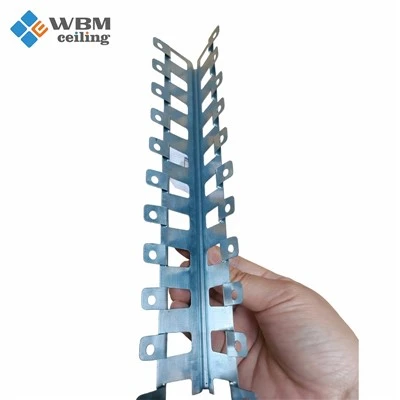
Whether you’re a contractor working on a big commercial build, a DIYer finishing your basement, or a small business owner updating your shop’s interior, we’ve got the T grids and the advice you need. If you’re looking to upgrade your space with custom-colored grids, or if you just have more questions about painting grids, hit us up—we’re here to help you pick the right product, the right finish, and walk you through whatever you need to get the job done right. Don’t waste time on botched paint jobs that cost you more in the long run. Reach out today, and let’s make your ceiling look exactly how you want it.
U Type Ceiling Profile References:
- Metal Painting Best Practices: Adhesion and Surface Preparation, National Paint and Coatings Association, 2022
- Ceiling System Material Specs: Steel and Aluminum T Grid Properties, Ceiling & Interior Systems Construction Association, 2021
- Flexibility Requirements for Metal Coatings in Temperature-Fluctuating Environments, Industrial Finishing Magazine, 2023
- Commercial Ceiling Finish Warranty Guidelines, American Institute of Architects, 2022
Langfang Weikaihua Building Material Co., Ltd.
Langfang Weikaihua Building Material Co., Ltd. is one of the most professional ceiling t grid manufacturers and suppliers in China, featured by quality products and low price. Please rest assured to buy discount ceiling t grid from our factory. Contact us for customized service and free sample.
Address: Peng Er Wan Villiage, Zhao Ge Zhuang Town, Wen’an County, Langfang City, Hebei Province, China
E-mail: joyce@wbm.cc
WebSite: https://www.wbmceiling.com/
