As the owner of a specialty Lions Head Meatballs supplier, I get this question at least three times a week: Can you make Lion’s Head without MSG? Most people ask because they want cleaner ingredients, or maybe they’ve heard mixed things about additives and want something that feels more homemade than mass-produced. For me, it’s a question that hits close to home—because Lion’s Head isn’t just a dish; it’s a recipe I grew up with, passed down from my grandmother who ran a small eatery in Shanghai’s old French Concession back in the 1950s. Back then, she never touched MSG. She used the kind of depth that comes from slow, careful cooking, and that’s the standard I’ve kept for every batch my supplier makes today. Let me break this down, not just as someone who sells meatballs, but as someone who’s spent years figuring out how to replicate that old-school flavor without shortcuts. Lions Head Meatballs
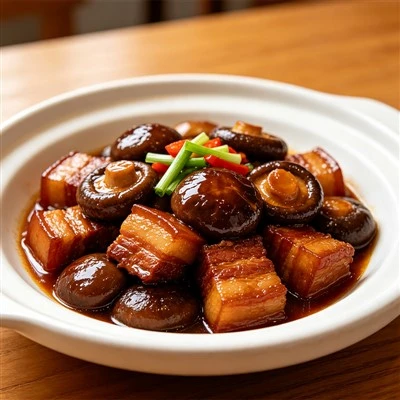
First, let’s clear up a common misconception: MSG isn’t the only way to get that savory, umami kick that makes Lion’s Head sing. Umami, the fifth taste, is what makes the meatballs feel rich and satisfying, not just salty or sweet. MSG is just a concentrated form of glutamate, which is a natural amino acid found in lots of foods—tomatoes, mushrooms, parmesan cheese, even aged meat. When I was testing how to make meatballs without MSG, I started by leaning into those natural sources instead of reaching for a spice jar. The key is building flavor from the base, not just adding it at the end. My grandmother used to simmer a small piece of dried shiitake mushroom and a slice of aged ham (not the pre-sliced stuff from the grocery store, the kind that’s cured for at least a month) in the broth before she even added the meat. That small step added a deep, savory note that MSG can’t mimic because it’s layered. I still do that today, even for our bulk orders. For every 10 pounds of meat we process, we use 2 ounces of dried shiitake and 4 ounces of aged ham to infuse the broth before it goes over the meatballs. It adds a subtle umami that’s noticeable, but not overwhelming.
Then there’s the meat itself, which is the foundation of a good Lion’s Head. A lot of suppliers use just ground pork, but we use a mix of pork shoulder and pork belly—70% shoulder for lean, tender meat, 30% belly for fat that melts as it cooks. That fat isn’t just for moisture; it breaks down during steaming and simmering, releasing natural glutamates that boost umami without any additives. I’ve had customers try our meatballs blind, and almost all of them say they taste richer than other brands. When I ask if they notice MSG, they say no—they just say it feels like “real food.” That’s exactly what we’re going for. We don’t add any fillers either, just a little cornstarch to hold the meat together, a splash of rice wine to cut any gaminess, and fresh ginger that’s grated fine so it doesn’t string out in the meatballs. No preservatives, no artificial flavors, just the basics you’d find in a home kitchen.
One of the biggest challenges when making Lion’s Head without MSG is getting the balance right. MSG can add intensity quickly, but natural umami needs time to develop. That’s why our process takes twice as long as it would if we used MSG, but the result is worth it. We steam the meatballs first for 20 minutes to lock in their shape, then simmer them in that infused broth for an hour and a half. As they simmer, the broth reduces, and the flavors meld together. The meat absorbs the shiitake and ham notes, and the pork’s natural fat adds to the richness. If you try a meatball right after it’s steamed, it might taste a little flat, but after simmering, that umami hits you softly, like a warm hug. I’ve had customers who used to rely on MSG come back and say they didn’t miss it at all once they tried our version. It’s not just about replacing MSG; it’s about building a flavor profile that’s true to the dish’s roots.
I also get questions about whether skipping MSG changes the shelf life of the meatballs. Honestly, it does a little—because natural ingredients don’t have the preservatives that some mass-produced brands use. But that’s a good thing. We keep our meatballs frozen for up to three months, which is standard for fresh products without additives, and we label them clearly so customers know to refrigerate them once they’re thawed. I’d rather have a product that’s a little shorter on the shelf than one that has hidden additives. For our wholesale clients, we provide storage instructions right along with the order, so they can pass that information on to their customers. It’s all about transparency—something I’ve prioritized since I started the supplier three years ago.
Another thing people don’t talk about is how MSG can mask small mistakes. If your meat is a little too lean, or if your broth is bland, MSG can cover that up. But when you’re making without it, you have to pay attention to every detail. We test every batch twice—once right after simmering, and once after it’s cooled, to make sure the flavor is consistent. Last year, we had a problem with a batch of pork that was too lean, and instead of adding MSG, we added a little extra pork belly and a splash of chicken broth that we’d reduced for two hours. It took a little more work, but the end product was better than if we’d used MSG to fix it. That’s the kind of care I think customers appreciate. When they buy our meatballs, they’re not just buying a product—they’re buying a piece of a recipe that’s been refined over decades, not just a quick fix.
I’ve also done a lot of research on the science of umami to back up what I’m doing. Umami receptors on the tongue respond to glutamate, and natural sources are just as effective as MSG. A study from the University of California, Davis, found that foods like parmesan, mushrooms, and cured ham have glutamate levels that rival MSG, so using those ingredients can create the same savory effect without the additive. That’s the science behind what we do. It’s not just a gut feeling; it’s a way to build flavor using ingredients that are familiar and accessible, and that customers can recognize. They don’t have to wonder what’s in their meatballs—they can look at the label and see pork, shiitake, ham, and the other basics.
Of course, making Lion’s Head without MSG isn’t for everyone. Some customers are used to the bright, immediate flavor that MSG provides, and that’s fine. But for those who want something that feels more authentic, more like home, this is the way to go. That’s why our supplier focuses on this version—because I think there’s a demand for food that’s honest, that doesn’t cut corners. I started this business after my grandmother passed away, because I wanted to share the food she made with more people. She never talked about MSG, because it wasn’t part of her kitchen. She talked about slow cooking, about using good meat, about taking the time to get things right. That’s the legacy I want to carry on.
If you’re a restaurant owner, a caterer, or someone who loves Lion’s Head and wants to offer their customers a cleaner option, I encourage you to reach out. We work with small businesses and large venues alike, and we can tailor orders to fit your needs. Whether you need a single bulk order for a family event or a weekly supply for a restaurant, we’re here to talk. Making the switch to MSG-free Lion’s Head doesn’t have to be hard, and it doesn’t have to compromise on flavor. It just takes the right ingredients, a little time, and the same care that went into the original recipe. I’ve seen how our customers react when they try it—they light up, because it tastes like the food they grew up with, but with a clarity that makes every bite feel special. That’s the magic of it, and that’s what we’re proud to share.
When you’re ready to learn more about our MSG-free Lion’s Head Meatballs, don’t hesitate to connect with our team. We’d be happy to send over samples, discuss pricing, or answer any other questions you have. It’s not just a sale for us—it’s a chance to share a tradition, and to make food that people can feel good about eating. No shortcuts, no hidden ingredients, just the kind of meatballs that my grandmother would have been proud to put on her menu.
Braised Beef Meat References
- U.S. Food and Drug Administration. (2023). Food Additives Permitted for Direct Addition to Food for Human Consumption: Monosodium Glutamate.
- University of California, Davis. (2022). Umami: The Fifth Taste and Its Role in Flavor Perception.
- Asian Food Journal. (2021). Traditional Techniques for Enhancing Umami in Chinese Cuisine Without Additives.
- Journal of Culinary Science and Technology. (2020). The Impact of Fat Content in Ground Pork on Flavor Development in Steamed Meatballs.
- China Cuisine Association. (2019). Authenticity and Modernization of Lion’s Head Meatball Recipes.
Yangzhou Jingsheng Food Co., Ltd.
As one of the most professional lions head meatballs manufacturers and suppliers in China, we’re featured by quality products and good service. Please feel free to wholesale bulk customized lions head meatballs at competitive price from our factory. Welcome to contact us for quotation and free sample.
Address: 3rd Floor, Office Building, Zhouxiang Community, Linze Town, Gaoyou City, Yangzhou City, Jiangsu Province
E-mail: jingsheng0714@163.com
WebSite: https://www.jingshengfood.com/
