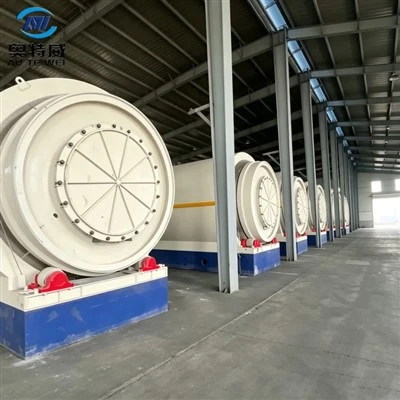
Hey there, if you’re looking to set up a batch pyrolysis plant, one of the biggest mistakes I see new plant owners make is skipping the prep work for your feedstock. It’s not just about tossing trash into the reactor—get this step wrong, and you’re looking at lower oil yields, longer cycle times, even clogged lines or damaged equipment. As someone who’s supplied batch pyrolysis plants for over a decade, I’ve walked so many clients through this process, and today I’m breaking down exactly how to prep your waste so your plant runs smooth, every time. Batch Pyrolysis Plant
First, let’s talk about the #1 rule: sort your waste correctly. Batch pyrolysis works best on consistent, clean feedstock, right? I’ve had a client come to me last year super frustrated because their oil yield was 20% lower than projected—turns out they were mixing in glass bottles and plastic wrap with their tire rubber. Glass is inert, so it doesn’t break down, and thin plastic wrap melts into gunk that gums up the condenser. So what do you actually sort? For batch plants, sweet spot feedstocks are things like end-of-life tires, plastic waste (hard plastics like HDPE, PP, not thin film), rubber seals, medical waste (the non-sharp, non-hazardous kind), and even agricultural waste like corn stalks—wait, no, scrap wood too, but not pressure-treated or painted wood. Pro tip: use a 2-step sorting process. First, a quick manual sift to pull out big non-combustibles (metal, glass, rocks), then a mechanical sorter if you’re handling high volumes—no need to do everything by hand, that’s a quick way to burn out your team.
Next, size reduction. Batch reactors aren’t designed to chew up couch-sized tires or 4-foot plastic barrels. Feedstock that’s too big takes forever to heat through, and you’ll end up with uneven pyrolysis—some parts turn to oil, others just sit there as char. I always tell clients to aim for pieces 2-5 inches in size. Why that range? Small enough to heat fast, big enough that it doesn’t blow into the gas lines when you load the batch. If you’re processing tires, a tire shredder will get you there in a couple passes—no need for ultra-fine shredding, that actually can cause issues too, like dust buildup in the feed hopper. Wait, I should mention: don’t over-shred. I had another client who wanted 1-inch tire crumbs, and they had to shut down twice because the crumbs got sucked into the gas valve and caused a blockage. Stick to that 2-5 inch sweet spot, you’ll thank me later.
Moisture content is another huge one, and it’s something a lot of people sleep on. If your feedstock is wet—like yard waste that’s been out in the rain, or plastic that’s been sitting in a puddle—all that water will evaporate during pyrolysis. That extra steam dilutes your oil yield, lowers the quality of the syngas you use to heat the reactor, and can even cause pressure spikes in the reactor (yikes, safety hazard). The rule here is moisture under 10%. How do you get there? Air drying works for stuff like plastic or wood—just leave it outside on pallets for a week, depending on your climate. For wetter stuff, like rubber that’s been stored outdoors, a low-temperature dryer will knock that moisture down fast, no need for high heat (you don’t want to start pyrolyzing early). I always remind clients: test the moisture content with a cheap moisture meter before you load the batch. If it’s over 10%, dry it. It’ll save you so much headache down the line.
Wait, what about contaminants? We talked about glass and metal, but there’s other stuff that’s sneakily bad. Like, if you’re processing tires, don’t mix in tire tags—those are metal, and they’ll damage your shredder blades. Same with metal caps on plastic bottles—pull those off before shredding. And avoid any hazardous materials: no asbestos, no lithium-ion batteries, no medical waste that’s still infectious. Lithium batteries are a big one—they can ignite during heating, which is a total safety nightmare. I always tell clients to have a clear “hazard exclusion” list and stick to it. It’s better to throw out a random battery than risk your whole plant. Oh, and for plastic feedstock: if you’re mixing different types, label them clearly. HDPE and PP pyrolyze into slightly different oils, so if you mix them without knowing, you might end up with oil that’s hard to refine later. Best practice: batch your plastic by type, so each load is consistent.
Now, let’s talk about pre-treatment for specific feedstocks, because not all waste is the same. Tires, for example: if they’re whole, you need to cut the sidewalls and remove the steel beads first. The steel beads are metal, so pulling them out before shredding saves your shredder and also gives you a separate steel scrap product to sell—extra revenue! I’ve seen clients skip this step and end up with $50k in shredder repairs after a batch. For plastic: thin film plastic (like grocery bags) is tricky because it stretches and can wrap around shredder blades, or turn into a waxy residue that clogs the system. If you’re using film, make sure it’s dry and you cut it into small pieces first, or mix it with harder plastic to keep it moving. For wood: avoid pressure-treated wood, which has chemicals that turn into toxic fumes during pyrolysis. Stick to untreated, unpainted wood pallets, scraps, etc. If you’re processing agricultural waste like corn cobs, chop them into small pieces so they heat evenly—they’re lighter, so you don’t want big pieces blowing around in the reactor.
Wait, there’s one more pre-step a lot of new plant owners miss: pre-testing your feedstock. Before you run a full batch, take a small sample and run a mini-pyrolysis test. You can do this with a small lab reactor, or even a test run with a 10% load of your batch. Why? To check moisture content, to make sure there aren’t hidden contaminants, and to get a baseline yield. I always recommend this because I’ve had clients bring me feedstock that was supposed to be 100% plastic, but turned out to be 30% wet cardboard, which messed up their whole first run. Pre-testing only takes a couple hours, and it saves you from wasting a full batch of feedstock and time.
Let me circle back to why all this prep matters for your batch plant specifically. Unlike continuous pyrolysis plants, batch plants run in cycles—load, heat, cool, unload. If your feedstock is inconsistent, each cycle will turn out different, which makes it hard to optimize your heating time, oil recovery, and energy use. Good prep means each cycle is predictable, so you can schedule runs, plan for maintenance, and maximize your output. I’ve had a client who started skipping sorting and size reduction, and his cycle time went from 8 hours to 12 hours—cutting his monthly output by a third. After he fixed the prep, he got back to 8-hour cycles and even increased his oil yield by 15%. That’s the difference between a plant that’s profitable and one that’s just sitting idle.
Now, a few quick safety notes while we’re at it. When you’re sorting and prepping, wear proper PPE: gloves, safety glasses, steel-toe boots. Metal scraps and sharp plastic edges can cause injuries. Also, make sure your prepped feedstock is stored in a dry, covered area—no leaving it out in the rain, which defeats the moisture control step. And keep any hazardous materials (even small ones like leftover lithium batteries) in a locked storage area, separate from your feedstock.
Look, I get it—prep work feels like a hassle. You’re ready to fire up your plant and start turning waste into profit, and sorting, shredding, drying just feels like extra steps. But trust me, after 10+ years of supplying batch pyrolysis plants, I can tell you: the best plant operators are the ones who spend the most time on feedstock prep. It’s the foundation of a smooth-running, profitable plant. If you skip this, you’re setting yourself up for costly repairs, lost yield, and safety issues.
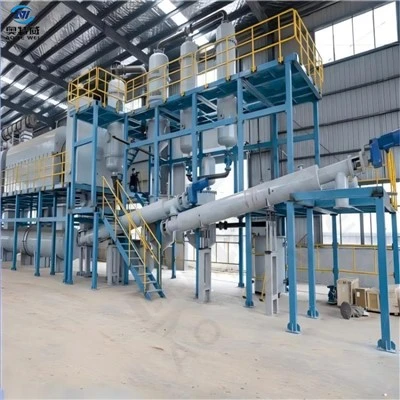
If you’re in the process of setting up your batch pyrolysis plant, or you’ve already got one but are dealing with wonky feedstock issues, don’t guess at the prep steps. Reach out—we’ve helped hundreds of plant owners fine-tune their feedstock processes, and we can walk you through custom steps based on the waste you’re working with, whether that’s tires, plastic, or wood. We don’t just sell plants—we make sure our clients run them successfully from day one.
Distillation Plant Reference
- Pyrolysis Feedstock Guidelines for Small-Scale Batch Reactors, International Waste Management Association, 2021
- Moisture Content Effects on Pyrolysis Oil Yield, Journal of Analytical and Applied Pyrolysis, Vol. 152, 2020
- Safety Protocols for Pre-Treatment of Waste Feedstocks for Pyrolysis Plants, Occupational Safety and Health Administration, 2022
Shangqiu Aotewei Environmental Protection Equipment Co., Ltd.
Shangqiu Aotewei Environmental Protection Equipment Co., Ltd. is one of the most professional batch pyrolysis plant manufacturers and suppliers in China, also supports customized service. Please feel free to buy CE approved batch pyrolysis plant at competitive price from our factory. Welcome to contact us for pricelist.
Address: No.88 Longhai Road, Liangyuan District, Shangqiu City, Henan Province, China
E-mail: colin@henanpower.com.cn
WebSite: https://www.aoteweitech.com/
