Hey there! As a supplier of filter presses, I often get asked about the corrosion resistance of these machines. So, let’s dive right in and chat about what corrosion resistance means for a filter press. Filter Press

First off, what is corrosion? Well, in simple terms, corrosion is the deterioration of a material, usually metal, due to a chemical reaction with its environment. For a filter press, this can be a big deal because it’s often used in industries where it comes into contact with all sorts of harsh substances, like acids, alkalis, and salts. If a filter press isn’t corrosion-resistant, it can start to break down pretty quickly, which means more maintenance, higher costs, and a shorter lifespan.
So, how do we make a filter press corrosion-resistant? There are a few different ways. One of the most common methods is to use corrosion-resistant materials in the construction of the filter press. For example, stainless steel is a popular choice because it has a high resistance to corrosion. It contains chromium, which forms a thin, protective layer on the surface of the metal, preventing it from reacting with the surrounding environment. Other materials like polypropylene can also be used, especially for parts that come into direct contact with the filtered substances. Polypropylene is highly resistant to many chemicals and is lightweight, making it a great option for filter plates.
Another way to enhance corrosion resistance is through surface treatments. We can apply coatings to the filter press components to provide an extra layer of protection. For instance, epoxy coatings are often used because they can form a strong, durable barrier against corrosion. These coatings can be customized to suit the specific needs of the application, whether it’s for a highly acidic or alkaline environment.
Now, let’s talk about why corrosion resistance is so important in a filter press. In industries like mining, chemical processing, and wastewater treatment, the substances being filtered can be extremely corrosive. If the filter press isn’t able to withstand these harsh conditions, it can lead to leaks, reduced efficiency, and even complete failure of the machine. This not only disrupts the production process but can also result in significant financial losses.
For example, in a mining operation, the filter press is used to separate solids from liquids in the ore processing. The filtered liquids often contain high concentrations of acids and heavy metals, which can quickly corrode a non-resistant filter press. On the other hand, a corrosion-resistant filter press can handle these substances without any major issues, ensuring a smooth and efficient operation.
In the chemical industry, filter presses are used to filter various chemicals, some of which are highly corrosive. A corrosion-resistant filter press can prevent the chemicals from attacking the machine, which is crucial for maintaining product quality and safety.
Wastewater treatment is another area where corrosion resistance is essential. The wastewater can contain a wide range of contaminants, including acids, bases, and salts. A filter press with good corrosion resistance can effectively treat the wastewater without being damaged by the corrosive substances.
As a supplier, we understand the importance of providing filter presses with excellent corrosion resistance. We work closely with our customers to understand their specific needs and recommend the most suitable materials and surface treatments for their applications. We also offer regular maintenance and support to ensure that the filter presses continue to perform at their best over time.
If you’re in the market for a filter press, it’s important to consider the corrosion resistance of the machine. Don’t just look at the price; think about the long-term costs and benefits. A high-quality, corrosion-resistant filter press may cost a bit more upfront, but it can save you a lot of money in the long run by reducing maintenance and replacement costs.
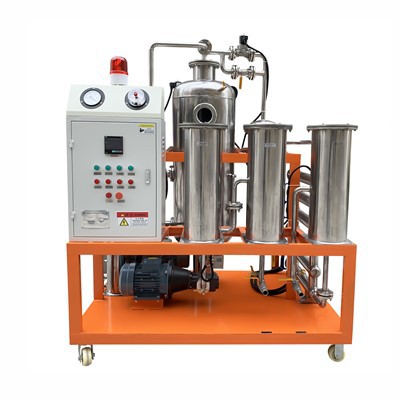
So, if you’re interested in learning more about our filter presses and their corrosion resistance, or if you have any specific requirements for your application, don’t hesitate to get in touch. We’re here to help you find the perfect filter press solution for your business.
Turbine Oil Purifier References:
- "Corrosion Science and Engineering" by Pierre R. Roberge
- "Handbook of Corrosion Engineering" by Craig B. Carter
Chongqing TOP Oil Purifier Co., Ltd.
Chongqing TOP Oil Purifier Co., Ltd. is one of the most experienced filter press manufacturers and suppliers in China. Please rest assured to buy CE approved filter press made in China here from our factory. We also accept customized orders.
Address: No.1, Jianlong North Rd, Jiulongpo District, Chongqing, China
E-mail: sales@topoilpurifier.com
WebSite: https://www.xboilpurifier.com/
