Installing an extension spring in furniture is a task that combines practicality and precision. As an extension spring supplier, I’ve witnessed firsthand how these small yet powerful components can transform the functionality and longevity of furniture pieces. In this blog, I’ll share a comprehensive guide on how to install an extension spring in furniture, drawing from my years of experience in the industry. Extension Spring

Understanding Extension Springs
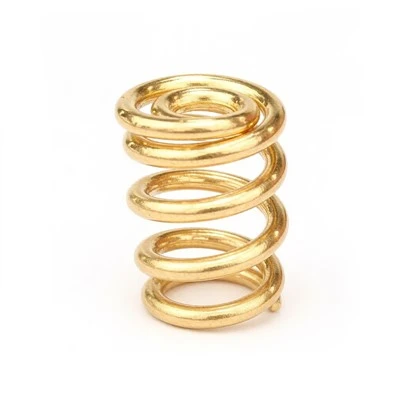
Before diving into the installation process, it’s essential to understand what extension springs are and how they work. Extension springs are helical coils designed to resist stretching. They store mechanical energy when pulled apart and release it when the force is removed, returning to their original length. In furniture, extension springs are commonly used in applications such as cabinet doors, sofa recliners, and folding tables, providing the necessary tension to keep these components in place or facilitate their movement.
Tools and Materials You’ll Need
To install an extension spring in furniture, you’ll need the following tools and materials:
- Extension Spring: Select the appropriate spring based on the furniture’s requirements, including the spring’s size, strength, and material. As a supplier, I can offer a wide range of extension springs to meet your specific needs.
- Pliers: Needle-nose pliers or spring-loading pliers are essential for handling and installing the spring.
- Screwdriver: Depending on the furniture’s construction, you may need a Phillips or flathead screwdriver to remove or install screws.
- Safety Glasses: Protect your eyes from any potential flying debris during the installation process.
- Workbench: A stable workbench or surface to hold the furniture piece while you work.
Step-by-Step Installation Guide
Step 1: Prepare the Furniture
Before installing the extension spring, prepare the furniture by cleaning the area where the spring will be installed. Remove any debris, dust, or old lubricants that may affect the spring’s performance. If the furniture has a cover or upholstery, remove it carefully to access the installation area.
Step 2: Identify the Spring Attachment Points
Locate the attachment points on the furniture where the extension spring will be connected. These points are typically small hooks, loops, or holes. Make sure these attachment points are in good condition and can support the spring’s tension. If necessary, clean or repair the attachment points before proceeding.
Step 3: Measure and Select the Right Spring
Measure the distance between the attachment points to determine the required length of the extension spring. Consider the spring’s initial tension, which is the force needed to start stretching the spring. Select a spring with the appropriate length, strength, and initial tension for your furniture application. As a supplier, I can assist you in choosing the right spring based on your measurements and requirements.
Step 4: Install the Spring on One End
Using the pliers, carefully attach one end of the extension spring to the first attachment point on the furniture. Make sure the spring is securely hooked or looped onto the attachment point. If the spring has a hook, use the pliers to bend the hook slightly if necessary to fit the attachment point.
Step 5: Stretch the Spring
Once the spring is attached to one end, use the pliers to stretch the spring to reach the second attachment point. Be cautious when stretching the spring, as it can store a significant amount of energy and may snap back if not handled properly. Apply gradual and even pressure to avoid overstretching or damaging the spring.
Step 6: Attach the Spring to the Second End
With the spring stretched to the desired length, use the pliers to attach the other end of the spring to the second attachment point on the furniture. Make sure the spring is securely connected and that there is no excessive slack or tension.
Step 7: Test the Spring
After installing the extension spring, test its functionality by moving the furniture component that the spring is designed to support. For example, if it’s a cabinet door, open and close the door several times to ensure that the spring provides the necessary tension and that the door moves smoothly. If the spring seems too loose or too tight, you may need to adjust it by either stretching or compressing it slightly.
Step 8: Reassemble the Furniture
Once you’re satisfied with the spring’s performance, reassemble any covers or upholstery that you removed earlier. Make sure all screws and fasteners are tightened properly to ensure the furniture’s stability.
Troubleshooting Tips
- Spring Too Tight: If the spring is too tight, causing excessive resistance or difficulty in moving the furniture component, you can try stretching the spring slightly to reduce its tension. Use the pliers to gently pull the spring a little longer, but be careful not to overdo it.
- Spring Too Loose: If the spring is too loose and doesn’t provide enough tension, you may need to replace it with a stronger spring. Measure the existing spring’s specifications and choose a new spring with a higher initial tension and strength.
- Spring Not Attaching Properly: If you’re having trouble attaching the spring to the attachment points, make sure the attachment points are clean and in good condition. You may also need to adjust the spring’s hooks or loops to fit the attachment points more securely.
Maintenance and Safety Considerations
- Regular Inspection: Periodically inspect the extension springs in your furniture to check for signs of wear, corrosion, or damage. If you notice any issues, replace the spring immediately to prevent further damage or injury.
- Lubrication: Apply a small amount of lubricant to the spring and its attachment points to reduce friction and extend its lifespan. Use a lubricant that is suitable for the spring’s material and the furniture’s environment.
- Safety First: Always wear safety glasses when working with extension springs, as they can store a significant amount of energy and may snap back if not handled properly. Follow the installation instructions carefully and use the appropriate tools to ensure a safe and successful installation.
Conclusion
Special Spring Installing an extension spring in furniture is a straightforward process that can enhance the functionality and durability of your furniture. By following the steps outlined in this guide and taking the necessary safety precautions, you can install an extension spring with confidence. As an extension spring supplier, I’m committed to providing high-quality springs and expert advice to help you with your furniture projects. If you have any questions or need assistance in selecting the right spring for your application, don’t hesitate to contact me for a procurement discussion. I look forward to helping you find the perfect extension spring solution for your furniture needs.
References
- Ashby, M. F., & Jones, D. R. H. (2005). Engineering Materials 1: An Introduction to Properties, Applications, and Design (3rd ed.). Butterworth-Heinemann.
- Budynas, R. G., & Nisbett, J. K. (2011). Shigley’s Mechanical Engineering Design (9th ed.). McGraw-Hill.
- Juvinall, R. C., & Marshek, K. M. (2006). Fundamentals of Machine Component Design (4th ed.). Wiley.
Shengzhou Deyuxiang Hardware Accessories Co., Ltd.
We are one of the most professional extension spring manufacturers and suppliers in China, also support customized service. With abundant experience, we warmly welcome you to buy high quality extension spring made in China here and get pricelist from our factory. For price consultation, contact us.
Address: No. 38, Caosheng Road, Caoqiao Street, Pinghu City, Jiaxing City, Zhejiang Province
E-mail: 877286126@qq.com
WebSite: https://www.dyx-spring.com/
