When it comes to the question of whether a stainless steel vacuum flask needs to be pre-heated or pre-cooled, as a supplier of these high-quality products, I’ve seen this query surface time and time again. Let’s delve into this topic in detail, exploring the science behind it and the practical implications for our users. Stainless Steel Vacuum Flask
The Science of Heat Transfer and Vacuum Flasks
To understand the necessity of pre-heating or pre-cooling, we first need to grasp the basics of how a stainless steel vacuum flask works. At its core, a vacuum flask is designed to minimize heat transfer through three main mechanisms: conduction, convection, and radiation.
Conduction is the transfer of heat through direct contact between materials. In a vacuum flask, the inner and outer walls are made of stainless steel, which is a relatively poor conductor of heat compared to other metals. Additionally, there is a vacuum layer between the two walls. Since a vacuum is an excellent insulator, it significantly reduces heat conduction between the inside and outside of the flask.
Convection is the transfer of heat through the movement of fluids (liquids or gases). The vacuum layer in the flask prevents the movement of air, eliminating convective heat transfer. This means that hot air inside the flask can’t rise and transfer its heat to the cooler outer walls through a circulating air current.
Radiation is the transfer of heat through electromagnetic waves. While stainless steel has some reflective properties that help reduce radiative heat transfer, it is not completely eliminated. However, the combination of the vacuum and the reflective surface of the steel still provides a high level of insulation against radiation.
Benefits of Pre – Heating
Now, let’s talk about pre – heating. If you plan to use your stainless steel vacuum flask to keep hot beverages like coffee, tea, or soup warm, pre – heating can be highly beneficial.
When you pour a hot liquid into a cold flask, the liquid has to transfer some of its heat to the inner wall of the flask to warm it up. This initial heat transfer can cause a significant drop in the temperature of the liquid. By pre – heating the flask, you minimize this initial heat loss.
Here’s how to pre – heat a flask properly. Fill the flask with hot water and let it sit for a few minutes. The hot water will transfer its heat to the inner wall of the flask, bringing it closer to the temperature of the liquid you’ll be adding later. After a few minutes, empty the pre – heating water and quickly pour in your desired hot beverage. This simple step can help your drink stay hot for a longer period.
For example, if you’re going on a long hike and you want your coffee to be hot when you reach your destination hours later, pre – heating the flask can make a noticeable difference. Without pre – heating, your coffee might cool down to an unpalatable temperature within a couple of hours. But with pre – heating, it can stay hot and enjoyable for a much longer time.
Advantages of Pre – Cooling
On the other hand, pre – cooling is equally important if you’re using the flask to keep cold drinks or food chilled. Similar to pre – heating, when you put a cold liquid or food into a warm flask, the flask’s inner wall will absorb some of the cold from the contents, causing them to warm up.
To pre – cool a flask, fill it with ice water and let it sit for a few minutes. The cold water will lower the temperature of the inner wall, reducing the initial heat transfer when you add your cold items. This is especially useful in hot weather or if you’re storing perishable items in the flask.
Imagine you’re at a picnic on a sunny day. You want to keep your lemonade cold throughout the day. By pre – cooling the flask, you can ensure that the lemonade stays refreshingly cold for hours, even in the heat. Without pre – cooling, the lemonade might start to warm up quickly, losing its appealing taste.
When Pre – Heating or Pre – Cooling Might Not Be Necessary
There are situations where pre – heating or pre – cooling might not be strictly necessary. If you’re only going to be using the flask for a short period, say an hour or less, the impact of not pre – treating the flask may be minimal. For instance, if you’re just taking a short commute to work and plan to finish your coffee within an hour, you might not notice a significant difference in temperature whether you pre – heat the flask or not.
Also, if the initial temperature difference between the liquid and the flask is not very large, pre – heating or pre – cooling may not be as crucial. For example, if it’s a moderately cold day and you’re adding lukewarm coffee to the flask, the natural insulation properties of the vacuum flask may be sufficient to keep the coffee at a reasonable temperature for a while.
Our High – Quality Stainless Steel Vacuum Flasks
As a supplier of stainless steel vacuum flasks, we take pride in offering products that are designed with the latest technology and high – quality materials. Our flasks are crafted to provide maximum insulation, with a well – constructed vacuum layer and excellent reflective inner walls.
We understand the importance of pre – heating and pre – cooling, and that’s why we educate our customers about these practices. Our flasks are made to be durable, easy to clean, and stylish. Whether you’re an outdoor enthusiast, a daily commuter, or someone who simply enjoys a hot or cold drink on the go, our products are a perfect choice.
We also offer a variety of sizes and designs to meet different needs. From small, portable flasks that are ideal for kids’ lunchboxes to large, capacity flasks for long – distance travelers, we have something for everyone. Our customer service team is always ready to assist you in choosing the right flask for your specific requirements.
Conclusion
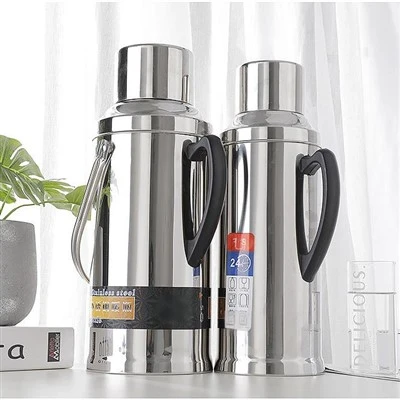
In conclusion, while pre – heating or pre – cooling a stainless steel vacuum flask is not always mandatory, it can significantly enhance its performance. By taking a few minutes to pre – heat or pre – cool the flask, you can ensure that your hot drinks stay hot and your cold drinks stay cold for extended periods.
Stainless Steel Vacuum Flask If you’re in the market for a high – quality stainless steel vacuum flask, we invite you to reach out to us. Our team of experts is eager to discuss your needs and help you select the perfect product. Whether you’re a retailer looking to stock our products or an individual consumer searching for a reliable flask, we’re here to serve you. Let’s start a conversation and find the best solution for your insulation needs.
References
- Bergman, T. L., Lavine, A. S., Incropera, F. P., & Dewitt, D. P. (2011). Fundamentals of Heat and Mass Transfer. Wiley.
- Incropera, F. P., & DeWitt, D. P. (1996). Introduction to Heat Transfer. Wiley.
Kairun International Co., Ltd.
As one of the most professional stainless steel vacuum flask suppliers in China, we’re featured by quality products and good service. Please rest assured to wholesale customized stainless steel vacuum flask made in China here from our factory. Welcome to contact us for more cheap products.
Address: NO.60 JIAZHAI,NANSHI DISTRICT,DONGYANG CITY,ZHEJIANG PROVINCE, CHINA
E-mail: lanzhou301@126.com
WebSite: https://www.kairunhouseware.com/
