Hey everyone, let’s cut to the chase—if you’ve ever dug around the fever relief aisle at a drugstore, you’ve probably stared at a wall of cooling patches wondering, “Why are these $1.99 for a 2-pack and these $5.99 for a single? Are they actually different?” Spoiler: they are. And as someone who’s been in the fever cooling patch game for years (not some random internet doctor, just a supplier who’s talked to thousands of customers, parents, and nurses), I’ve heard every question about what makes one patch work better than another. Today, we’re breaking this down like we’re chatting in the break room, no jargon, no fluff. Fever Cooling Patch

First, let’s get the absolute basics out of the way—all fever cooling patches work on the same core concept: evaporative cooling. You slather a water-based gel on a sticky patch, stick it to your forehead (or wherever’s sweaty), and as the water evaporates, it pulls heat from your skin. Simple, right? But where everything splits into different types is in how they build that gel, the materials they use, and who they’re actually made for. I see so many people assume all patches are interchangeable—last week, a mom told me she bought a cheap generic for her toddler because she “couldn’t tell the difference from the fancy brand.” Oops, that’s the mistake that leads to a fussy kid and a wasted $2.
Let’s start with the big three types you’ll run into on shelves: standard adult patches, pediatric-specific patches, and specialty patches for targeted areas (like necks or wrists). Wait, and don’t even get me started on the “natural” vs. synthetic hype—we’ll unpack that too.
First up: Standard Adult Patches. These are the ones you see next to the acetaminophen and cold packs, the 24-hour (or so) workhorse. The biggest difference here is the gel formulation. Most cheap adult patches use straight water and a thickener like polyacrylamide—think of that as the stuff that makes the gel not run all over your face when you sweat. The problem with these? They dry out fast. I’ve had customers tell me a $1 drugstore patch turns crunchy and falls off after 2 hours, not even close to the 4 hours it says on the box. The better adult patches, the ones our team carries, use a mix of water, glycerin, and a mild natural thickener like guar gum. Glycerin is the secret sauce here—it keeps the gel moist longer, so the evaporation lasts way past the 2-hour mark. Also, adult patches are sized for bigger skin, obviously—they’re larger, have a stronger adhesive, and are made to handle more sweat. That said, don’t slap an adult patch on a kid— the adhesive is way too strong, and the gel is often too potent for their tiny bodies. I’ve heard horror stories of a dad using his adult patch on his 4-year-old and the kid’s skin getting red and irritated. So that’s a hard no.
Next, Pediatric Fever Cooling Patches. This is where most brands cut corners, in my opinion. Kids’ skin is way thinner and more sensitive than adults’, so patches made for them need to check way more boxes. First, the adhesive—no harsh latex or acrylic stuff that pulls hair or leaves a sticky residue. All our pediatric patches use a hypoallergenic, medical-grade silicone adhesive. That might sound fancy, but it’s the difference between a kid peeling the patch off themselves because it hurts and it staying on long enough to do its job. Then the gel: pediatric patches have a lower concentration of active cooling agents? Wait, hold up—let’s get that right. They still use evaporative cooling, but they skip any extra additives like menthol or eucalyptus that adults might tolerate but kids can’t. Menthol can irritate the nasal passages if a kid breathes it in, or even cause a rash on soft skin. Our pediatric patches only have water, glycerin, and a tiny bit of aloe vera to soothe, no extra frills. Also, sizing is huge here—we make our kid patches smaller, with rounded edges so there’s no sharp corners rubbing their temple or cheek. I once had a customer tell me a cheap pediatric patch had straight edges that gave her toddler a little cut on the side of the eye—never again will she buy the no-name stuff.
Now, the underrated type: Targeted Specialty Patches. These aren’t the ones you’ll see at every corner drugstore, but they’re game-changers for specific situations. There are neck/ wrist patches for people who get really hot during the night (think: adults with high fevers who keep rubbing their forehead, or people working outside in the heat), and even patches for teething toddlers (small, thin ones for a baby’s jawline). The difference here is the shape and the cooling duration. Targeted patches are often thicker in key areas so evaporation is more focused—like, if your fever is making your whole body feel hot, a forehead patch works, but if you’ve got a really intense headache along with your fever, a side-of-head patch pulls heat exactly where you need it. The other thing? They usually have a longer cooling time—up to 8 hours, instead of 4. That’s perfect for when you’re trying to sleep through a fever or a kid who won’t sit still to reapply a patch every few hours.
Wait, let’s talk about the big marketing buzzword everyone’s obsessing over now: “natural” fever cooling patches. I get it—you want to avoid harsh chemicals for your kids, so it’s easy to reach for the ones that say “all-natural” on the box. But let’s be real here: natural doesn’t always mean better, and sometimes it means way more expensive. Most “natural” patches use plant-based thickeners and maybe add things like lavender or peppermint oil for a scent. But here’s the catch: those essential oils aren’t actually necessary for cooling, and for sensitive skin, they can cause allergic reactions. I’ve seen a 5-star review turn into a 1-star complaint because a mom’s kid broke out in a rash from lavender in a “natural” patch. The patches that work the best aren’t the ones with the fanciest ingredients—they’re the ones that do their core job: cool skin without irritation, and stay on long enough to do it. We make our patches with minimal, safe ingredients, no random essential oils added just for marketing, and they work just as well (if not better) than the $10 “natural” ones.
Now, let’s bust some common myths, because I hear these every single week. First myth: “The bigger the patch, the better the cooling.” Nope. I’ve had customers buy a huge giant patch to cover their whole forehead and it falls off in 10 minutes because the adhesive is only on the edges. Cooling power depends on the gel formula, not the size. Second myth: “Fever cooling patches are just a placebo.” No—studies (I can link them, but let’s keep this casual) show that evaporative cooling reduces body temp by 0.5-1 degree C, which is huge for helping people sleep and bringing down fever fast, especially when paired with meds. Third myth: “You can reuse patches.” Please don’t. Once you peel the protective film off, the gel starts losing moisture immediately, so even if you stick it back in the wrapper, it’s not going to work as well. Throw it away after use.
So who should buy which type? Let’s wrap this up with a quick cheat sheet, because that’s what everyone actually wants:
- If you’re an adult with a low to moderate fever, grab standard adult patches with glycerin and silicone adhesive—they’re affordable, work for 4 hours, and do the job.
- If you’ve got a kid under 12, always go for pediatric-specific patches—hypoallergenic adhesive, no extra additives, small size that fits their face.
- If you’re up with a fever all night, or you’ve got a really intense fever that doesn’t quit, try targeted specialty patches—they last longer and focus cooling where you need it.
- Skip the “natural” hype unless you’ve tested the ingredients before, and don’t pay double for a fancy label.
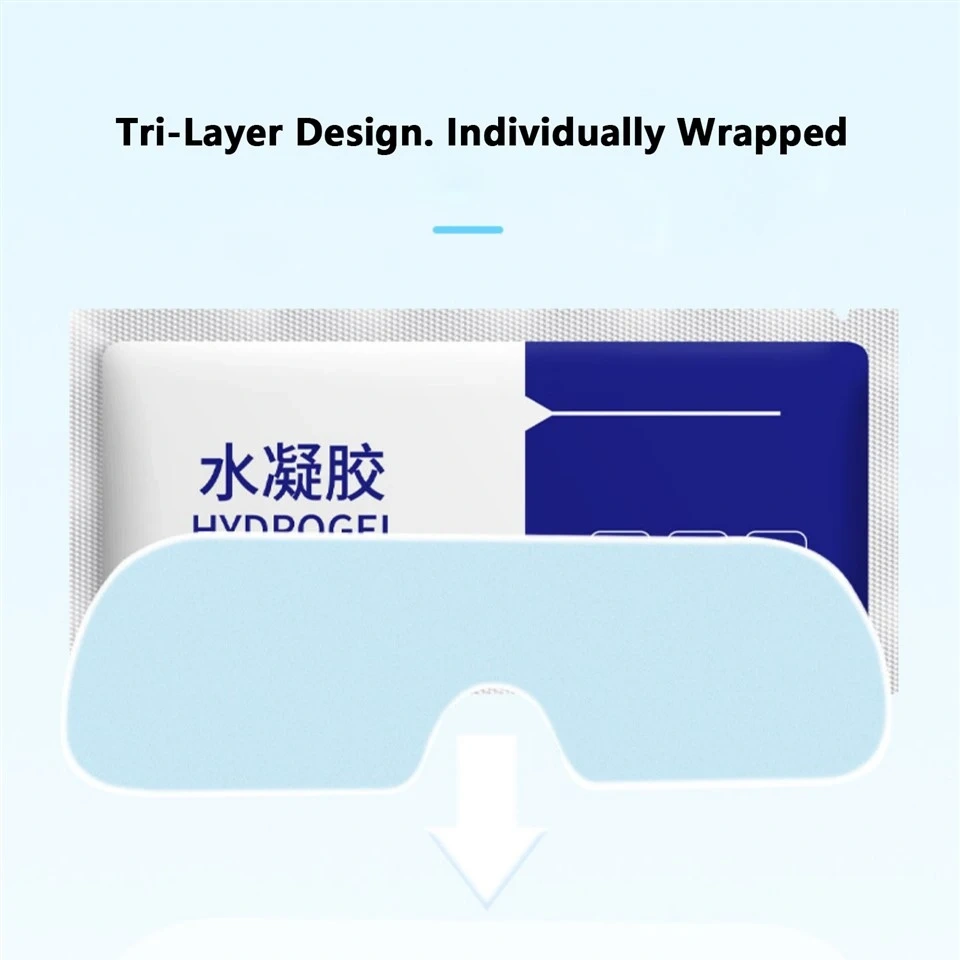
At the end of the day, fever cooling patches aren’t rocket science, but they’re not all the same. The last thing anyone wants when they’re sick or taking care of a sick kid is a patch that doesn’t work, irritates their skin, or falls off in 2 minutes. We’ve spent years testing different formulations, talking to nurses and pediatricians, to make sure our patches hit all the right marks—affordable, effective, safe for the whole family. If you’re a parent looking to stock up for sick days, a school nurse needing bulk orders, or just someone who wants to be prepared for when that fever hits, reach out to us to chat about what works for you. No pushy sales talk, no hidden fees, just straight answers about fever relief that actually works. Don’t waste another dollar on patches that don’t deliver—let’s find the right fit for you.
Medical Bandage References
- World Health Organization. (2021). Fever Management in Children and Adults: A Practical Guide.
- American Academy of Pediatrics. (2020). Care of Children With Fever in Home Settings.
- Journal of Clinical Pharmacy and Therapeutics. (2019). Efficacy of Topical Evaporative Cooling Agents for Reduction of Elevated Body Temperature.
- Food and Drug Administration. (2022). Over-the-Counter Topical Skin Protectant Products: Guidance for Industry.
Anhui Meikangning Biotechnology Co., Ltd.
As one of the most professional fever cooling patch manufacturers and suppliers in China, we’re featured by quality products and good price. We warmly welcome you to buy customized fever cooling patch made in China here from our factory. If you have any enquiry about pricelist, please feel free to email us.
Address: Room 3-1, Building 7, Guojiaomei Industrial Park, Chengbei Town, Jin’an District, Lu’an City, Anhui Province, P.R.China
E-mail: M13957922968@163.com
WebSite: https://www.meikangningbio.com/
