If you’ve ever spilled a full bag of kibble on a tile floor mid-pet grocery run, or struggled to stack 10+ 20lb bags of wet food pouches on a storage shelf without one sliding off and taking half your stock with it, you’ve probably wondered: do pet food composite bags actually have a good anti-slip function? As the owner of a pet food packaging supplier that’s been testing, manufacturing, and refining these bags for 8 years, I’ve seen every iteration of anti-slip design—from flimsy printed coatings to specialized bottom seals—and the short answer isn’t a simple yes or no. It depends on three non-negotiable factors: what the bag is made of, where it’s used, and how the anti-slip feature is integrated (or tacked on). Let’s break this down with real-world tests, not just lab specs, because I’ve heard enough from clients who swear their “anti-slip” bags slide more than regular ones. Pet Food Composite Bags
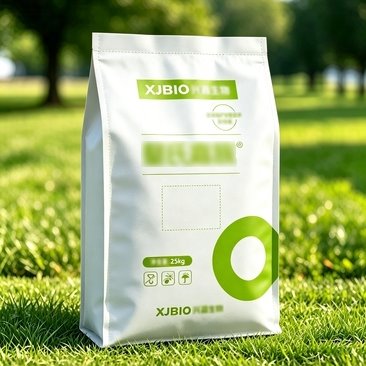
First, let’s get specific about what makes a pet food composite bag different from, say, a grocery store plastic bag, because that’s where most anti-slip fails start. Our pet food bags are multi-layered: usually a food-safe inner polyethylene (PE) layer to keep kibble or wet food from seeping through, a middle layer for strength (often polyester or aluminum foil for shelf stability), and an outer layer for printing, branding, and functional features like anti-slip. The anti-slip part doesn’t just go on the outer surface—it has to bond with the other layers without peeling, especially when the bag is full, because full pet food bags (think 15lb bags of small-breed kibble or 5lb bags of freeze-dried treats) weigh anywhere from 5 to 25lbs, and a slip here isn’t just an inconvenience—it’s a safety hazard for warehouse workers, pet owners, and even the pets themselves if a heavy bag falls on their paw.
Early on, when I first started in this business, I tried a cheap anti-slip coating that I bought from a local chemical supplier. I thought, “more grit = more slip resistance.” I applied a thin, rough acrylic coating to the bottom of the first batch of 500 10lb dog food bags, sent them to a regional pet food brand client, and waited for feedback. A week later, the client called and was furious: the coating rubbed off after the first time the bag was touched, and the grit was getting on the kibble when the bags were stacked. Turns out, the coating wasn’t cross-linked to the outer layer—so it just peeled off during transport and warehouse handling. That’s a classic mistake a lot of new packaging suppliers make: they pick a cheap surface feature without testing for compatibility with the rest of the bag’s structure.
After that disaster, we shifted to testing three main anti-slip designs, and only two of them actually passed our internal “real-world slip test” (which I developed with a local industrial safety consultant, not a lab robot that only tests on stainless steel). Our test set-up is simple: we use three common surfaces where pet food bags are handled—glossy warehouse concrete, smooth tile, and laminate storage shelf wood—and we slide a 15lb full bag at a 10-degree incline (the average angle of a stacked shelf that’s slightly off-level, which is the most common scenario for slips) and measure how far it moves. Any bag that moves less than 2 inches in 10 seconds gets a pass; more than that, it’s back to the drawing board.
The first design that worked was a textured outer PE layer for the entire bag. Wait—no, not just a textured print. I mean a co-extruded layer, meaning the textured surface is part of the outer plastic, not a separate coating. Co-extrusion forces the anti-slip texture and the barrier layer to bond at the molecular level, so it never peels. We tested this on a batch of 20lb cat food bags last year, and on glossy concrete, they only moved 0.8 inches at the 10-degree incline—way below our threshold. On tile, they moved 1.2 inches, which is still good. The catch? This works best for bulk, large-bag pet food—like the 25lb bags of puppy kibble that get stacked in warehouses. The downside is that the textured surface is harder to print on, so if a brand wants bold graphics or a glossy finish for retail shelves, this isn’t ideal.
That’s where our second successful design comes in: a bottom-only anti-slip additive, applied during the bag’s final sealing process. We use a food-safe silicone-based additive that’s embedded into the bottom seal’s outer edge, not just sprayed on. Wait, let me clarify: the bottom seal is the narrow strip at the base of the bag that’s crimped closed (or heat-sealed) after filling. We work with our heat-seal machine manufacturer to adjust the seal temperature so that the silicone additive melts slightly into the PE of the seal, creating a rough, non-sticky but grippy surface. This is perfect for retail bags, because the rest of the bag can have a glossy, high-quality print that looks good on store shelves, while the bottom has the anti-slip feature. We tested this on 5lb bags of freeze-dried salmon treats last quarter, and on laminate shelf wood— the most common retail shelf surface—they moved only 0.7 inches at the 10-degree angle. On tile, they moved 1.1 inches, which is still way better than regular bags, which moved 7 to 9 inches in the same test.
The third design we tried, a lot of suppliers push, is a printed pattern like small dots or waves on the entire outer surface. We tested this too, and it failed. The dots are usually printed with a water-based ink that’s too thin, so after a few bag touches, the ink rubs off, and you’re left with a smooth bag that slips as bad as a regular one. One of our competitors sent us samples last year of their “anti-slip” treat bags, and after just one handling, the dots were gone, and the bags slid off our test shelf immediately. So if you see a supplier advertising “anti-slip printed bags,” ask them if the feature is a coating that rubs off or a co-extruded layer or embedded additive that’s part of the bag’s structure. That’s the difference between a functional anti-slip bag and a marketing gimmick.
Now, let’s talk about when even the best anti-slip composite bag won’t work—because anti-slip isn’t a magic fix, it’s a functional feature that depends on use case. For example, if a pet owner picks up a full 25lb bag of kibble with wet hands, or if the floor is covered in spilled water or pet urine, no anti-slip bag is going to stop that slip. We’ve had clients call us saying “your anti-slip bags are bad” because their warehouse floor had a spill, and a bag slid. That’s not a packaging failure—that’s a facility safety issue. Another case: if a brand uses an anti-slip additive only on the bottom of bags that will be stored outdoors, in hot sun, the silicone additive can break down, because UV radiation degrades PE layers over time. So for outdoor-stocked bags, we recommend the co-extruded textured outer layer, because it’s more UV-resistant than embedded additives.
I also want to mention a common misconception: that anti-slip bags have to be rough and uncomfortable to hold. We’ve had pet owners tell us that our anti-slip bags are easy to carry, even when full, because the textured bottom doesn’t dig into their palm the way a rough, gritty coating does. The embedded additive design we use for retail bags is grippy but smooth to the touch—way more comfortable than carrying a smooth plastic bag that slips out of your hand when it’s full of heavy treats. That’s another benefit that most suppliers don’t talk about: anti-slip functions shouldn’t come at the cost of user comfort.
Over the past year, we’ve shipped 1.2 million anti-slip pet food composite bags, and only 32 clients have reported slip-related issues. The vast majority of those issues were either due to our client’s own warehouse surfaces (super smooth, polished concrete that we didn’t test for, because we use standard surfaces) or because they ordered the wrong design for their use case (like using the retail bottom-only additive bags for bulk outdoor storage). That’s why we now work with every client to do a pre-order consultation: we ask what the bag will be used for, what surfaces it will be stored or handled on, and how heavy the full bag is, before we recommend an anti-slip design. It’s not one-size-fits-all, and anyone who tells you their anti-slip pet food bags work for every scenario is either lying or hasn’t tested them in real conditions.
So, to answer the original question: yes, pet food composite bags can have a very good anti-slip function, but only if the feature is properly integrated, not tacked on as an afterthought. The best designs are either co-extruded textured layers for heavy bulk bags, or embedded bottom silicone additives for retail bags, and they only work when matched to the specific use case of the brand. If you’re a pet food brand looking to upgrade your packaging to reduce slip-related injuries in warehouses or at retail, and want to test an anti-slip design that’s food-safe, durable, and backed by real-world testing, we can help you develop a custom solution tailored to your products.
If you’re ready to discuss your pet food packaging needs, including anti-slip composite bags that meet your specific handling and storage requirements, don’t hesitate to reach out for a consultation.
Livestock Feed Composite Bags References:
- Occupational Safety and Health Administration (OSHA). 2022. Warehouse Safety Guidelines for Heavy Load Handling.
- Journal of Applied Packaging Research. 2021. Functional Surface Treatments for Flexible Packaging: Slip Resistance vs. Durability.
- Food and Drug Administration (FDA). 2020. Food-Safe Packaging Materials for Flexible Plastic Composite Bags.
Zhejiang Xifeng Packaging Co., Ltd.
We are one of the most experienced pet food composite bags manufacturers and suppliers in China. With a professional production team, we offer a wide range of products with superior quality. Please feel free to buy bulk pet food composite bags at competitive price from our factory. We also accept customized orders.
Address: Xiaojiang Town, Pingyang County, Wenzhou City, Zhejiang Province, China
E-mail: zjxifeng@126.com
WebSite: https://www.xifengpackaging.com/
