When customers first reach out to our Carbon Steel Bar And Rod supply team, one of the most common questions we get is: “Is carbon steel bar ductile?” It’s a fair question—especially for anyone working in construction, manufacturing, or structural engineering where material flexibility can make or break a project. For years, I’ve sat across from engineers, contractors, and small-business owners who’ve struggled to wrap their heads around what “ductility” actually means in practical terms, versus how it’s listed on a spec sheet. As someone who’s spent 12 years in this industry, testing steel, running quality checks, and talking through project requirements with clients, I don’t just answer this question with textbook definitions—I frame it around what it means for your work, and for the carbon steel bars we supply. Carbon Steel Bar And Rod
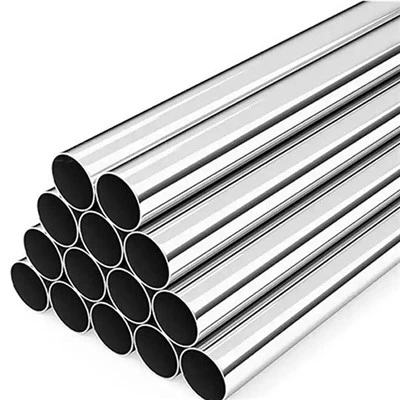
First, let’s break down the basics without the jargon. Ductility is a metal’s ability to stretch, bend, or deform without snapping, unlike brittleness, which is when a material cracks or breaks under stress suddenly. Think of a paper clip: bend it back and forth, and it eventually bends flat without breaking. That’s ductility in action. A glass bottle, though, is brittle—drop it, and it shatters immediately. So, is carbon steel ductile? The short answer is: most commercial carbon steel bars we supply are ductile, but that’s not the full story. It depends on two big factors: the grade of carbon steel, and how that bar was processed after it left the mill.
Let’s start with carbon steel grades. Carbon steel is categorized by its carbon content—low, medium, and high—and that’s the biggest driver of ductility. Low-carbon steel (also called mild steel) has between 0.05% and 0.25% carbon. This is the workhorse of our carbon steel bar inventory: it’s used for rebar in concrete structures, frame components for buildings, automotive body parts, and general fabrication. Low carbon means the iron atoms have plenty of space to shift and slide past each other when force is applied, so mild steel bars can stretch up to 20-30% of their original length before breaking. That’s incredibly ductile. For example, when you bend a rebar to tie it into a concrete cage for a bridge, that stretch and bend without snapping is low-carbon steel’s ductility at work.
Medium-carbon steel has 0.25% to 0.60% carbon. This grade is a balance of strength and ductility, so it’s used for things like axles, gears, and structural bolts. It’s still ductile, but not as much as low-carbon steel—its elongation (the technical term for stretch before breaking) is around 10-20%. This trade-off makes sense: adding more carbon makes the steel harder, so it can handle more compressive force but has a little less give. If you try to bend a medium-carbon steel bar as far as a mild steel one, it won’t stretch as much before resisting more, but it won’t snap unless you push it way past its limit.
High-carbon steel, on the other hand, has 0.60% to 1.0% (and sometimes up to 2.1%) carbon. This is the stuff used for springs, cutting tools, and high-strength wires. High carbon tightens the iron’s atomic structure, so it’s much harder and stiffer, but much less ductile. A high-carbon steel bar might only stretch 2-5% before breaking. It’s strong, but it’s brittle if not heat-treated right. That’s an important note: not all carbon steel is equally ductile, which is why at our supply company, we never sell a “one-size-fits-all” carbon steel bar. We work with clients to match the grade to their project’s stress needs—you don’t want a high-carbon bar for a rebar that needs to shift slightly with concrete settling, just like you don’t want a low-carbon bar for a cutting blade that needs to hold an edge.
Next, it’s not just the grade—it’s how the bar was processed. Even within the same carbon grade, the ductility can change based on how the bar was made. Hot rolling, cold drawing, and heat treatment are the three big processes that affect ductility, and I see this play out every week when clients ask for a specific finish.
Hot rolled carbon steel bars are the most common in our inventory, and they’re naturally ductile. Hot rolling involves heating steel above its recrystallization temperature (around 1700°F for carbon steel) and then rolling it into shape. When steel is hot, its atoms are flexible, so the rolling process doesn’t trap stress or make the structure too tight. That’s why hot rolled bars can bend, twist, and deform without breaking—perfect for structural applications where the bar might be subjected to uneven force, like a building’s frame during an earthquake. We test every batch of hot rolled bars for elongation, and on average, our hot rolled mild carbon steel bars hit 25% elongation—right in line with industry standards.
Cold drawn carbon steel bars, though, are processed at room temperature. This makes them smoother, straighter, and stronger, but it reduces ductility. The cold drawing process pulls the bar through a die to shrink its diameter, which makes the iron atoms arrange in a tighter, more aligned structure. That means cold drawn bars have higher tensile strength, but they’re less ductile—their elongation drops to around 10-15% for mild steel, and even lower for medium-carbon. I always explain this to clients: if you need a bar that will be machined, machined parts don’t usually need to bend, so cold drawn’s strength is an asset. But if you need a bar that will be bent on site, cold drawn is not the right choice. I’ve had a few clients learn this the hard way—once, a small fabricator bought cold drawn bars thinking they were “tougher,” and tried to bend them for a fence; they snapped mid-bend, and had to rush to swap for hot rolled ones. That’s why clear communication about use cases matters, even if it’s something the client doesn’t realize they need to ask.
Heat treatment is another factor. We often heat treat high-carbon steel to adjust its ductility, but it’s a delicate balance. Quenching (cooling steel quickly after heating) makes it very hard but brittle—so brittle it might snap if hit with a hammer. Tempering (reheating the quenched steel at a lower temperature) reduces brittleness and brings back some ductility, depending on the temper temperature. For example, a high-carbon spring steel bar is tempered to be ductile enough to flex thousands of times without breaking, but not so ductile that it loses its spring. If someone ordered a high-carbon bar for a structural beam, we’d temper it to get just enough ductility to handle small shifts, instead of quenching it for maximum hardness.
Now, let’s talk about real-world applications, because ductility isn’t just a number on a spec sheet. For structural steel—like the carbon steel bars used in bridges, skyscraper floors, or retaining walls—ductility is non-negotiable. Building codes require structural steel to have a minimum elongation (usually 15% for mild steel) because concrete and steel expand and contract with temperature changes, and earthquakes can put uneven stress on a structure. If the steel wasn’t ductile, it would crack instead of bending, leading to catastrophic failure. A few years back, I worked on a bridge project in the Pacific Northwest where engineers specifically specified hot rolled mild carbon steel bars—they needed the ductility to handle both seismic shifts and the freeze-thaw cycles that bend concrete and rebar over time.
On the flip side, if you’re making a hinge for a gate, ductility is still important, but not as high. A hinge might use medium-carbon steel, which has enough ductility to bend when you open and close the gate, but enough strength to hold the gate’s weight. If you used a high-carbon steel hinge, it might snap after a few hundred opens. For a wire nail, though, you want moderate ductility—enough to bend when you hit it with a hammer, but not so much that it twists instead of driving into wood.
I should also address a common misconception: some people think “ductility” means “weakness.” That’s not true. Ductile steel isn’t weak—it’s resilient. When a ductile carbon steel bar is under stress, it deforms slowly, which gives engineers time to detect a problem before the bar breaks. Brittle steel breaks suddenly, with no warning. That’s why for any application where failure could be dangerous (buildings, bridges, heavy machinery), ductile carbon steel is the safe choice.
As a supplier, we see it all: clients who only care about price, clients who have a spec they need to hit, clients who have no idea what grade they need. Our job isn’t just to send a shipment of carbon steel bars—it’s to help them make the right choice. That’s why when someone asks, “Is carbon steel bar ductile?” we don’t just say “yes.” We ask: What are you building? Will the bar be bent, twisted, or subjected to heavy stress? What grade have you worked with before? We pull up our material data sheets, walk through the elongation numbers, and explain how our hot rolled mild steel bars’ 25% elongation makes them perfect for their job, while a high-carbon bar would be too brittle.
Over the years, I’ve learned that the best relationships with clients come from being transparent, not just selling a product. Last year, a small construction company reached out asking for carbon steel bars for a residential foundation. They initially ordered a cheaper high-carbon bar, because it was 10% less expensive. But when we talked through their project—their area has frequent small earthquakes, and the foundation might shift slightly over time—we explained that the high-carbon bar would be too brittle for that use. We offered the slightly more expensive hot rolled mild steel, and even helped them adjust their order size to stay within their budget. A month later, their project finished, and they sent us a note saying the bars bent perfectly during foundation tying, and had no issues. That’s the kind of work we care about.

At the end of the day, the answer to “Is carbon steel bar ductile?” is a resounding yes—for most common applications, and especially for the grades we supply. But that ductility is a result of both the carbon content and the processing, and it’s tailored to what your project needs. If you’re working on a build, fabrication, or repair that needs carbon steel bars, we can help you pick the right grade, test the ductility specs, and deliver product that meets your needs. Don’t hesitate to reach out to our Carbon Steel Bar And Rod supply team to discuss your project, review material options, and get a quote that fits your budget and requirements.
Carbon Steel Coil And Strip References
ASTM A36 / A36M-21, Standard Specification for Carbon Structural Steel.
ASTM A108 / A108M-21, Standard Specification for Steel Bars, Carbon, Cold-Finished, Common Grades.
Callister, W. D. Jr., Rethwisch, D. G. (2019). Materials Science and Engineering: An Introduction, 11th Edition. Wiley.
Degarmo, E. P., Black, J. T., Kohser, R. A. (2011). Materials and Processes in Manufacturing, 11th Edition. Wiley.
Jiangsu Cunrui Metal Products Co., Ltd.
Jiangsu Cunrui Metal Products Co., Ltd. is one of the most professional carbon steel bar and rod manufacturers and suppliers in China, specialized in providing customized products made in China. We warmly welcome you to buy cheap carbon steel bar and rod for sale here and get free sample from our factory. For price consultation, contact us.
Address: No.289 Fangcheng Road, Xinwu District, Wuxi City, Jiangsu Province, China
E-mail: jonny@cunruimetal.com
WebSite: https://www.cunrui-steels.com/
